Rosemary Pests and Diseases Under Drip Irrigation: Management and Prevention Strategies
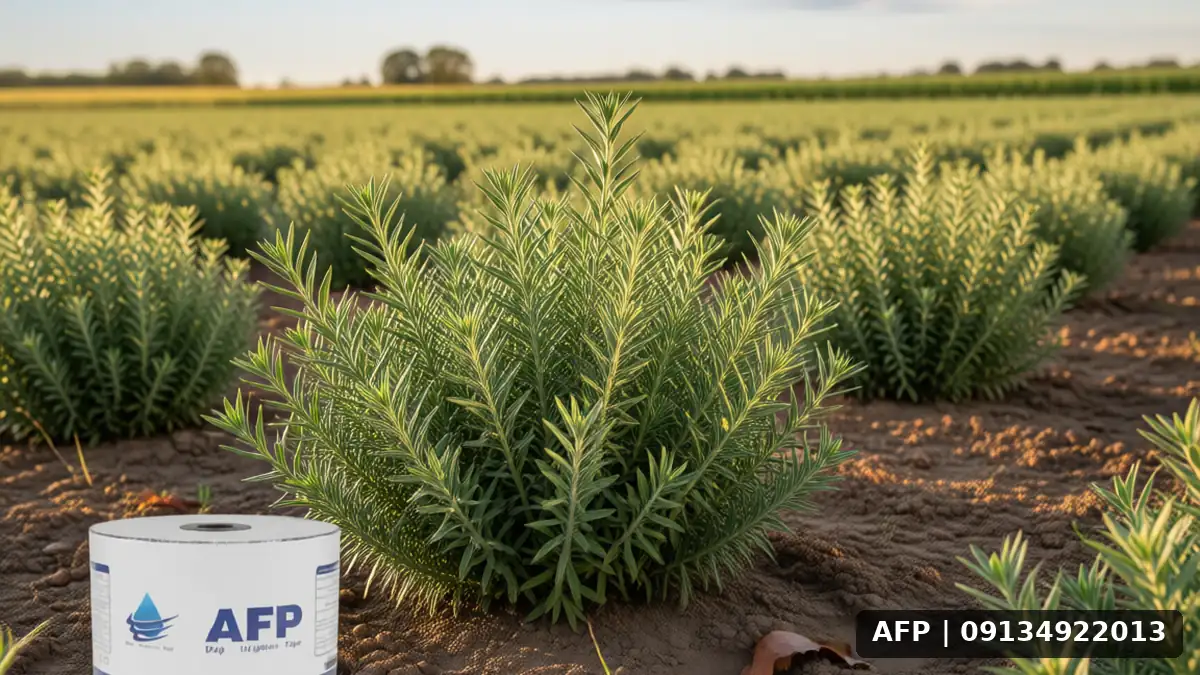
Rosemary (Salvia rosmarinus) is a popular medicinal and culinary herb in commercial and home cultivation, holding a special position in export markets due to its unique aroma, flavor, and broad medicinal properties. As a semi-arid plant, rosemary is resistant to drought; however, improper irrigation can disrupt its physiological balance, making it susceptible to diseases and pest attacks. In recent years, drip and micro-sprinkler irrigation systems have been recognized as optimal solutions in modern agriculture. These systems play a crucial role in preventing soil-borne diseases and leaf drop by reducing surface moisture and precisely controlling water application. Can drip irrigation alone replace all sanitary management practices? The following section examines the technical and practical relationship between rosemary irrigation and pest and disease management.
Impact of drip irrigation on rosemary ecosystem stability
The most significant advantage of drip irrigation in rosemary cultivation is the concentration of moisture in the root zone and the maintenance of dry soil surface conditions. Many rosemary fungal diseases, particularly root rot and powdery mildew, grow more rapidly in moist and cool soil conditions. With micro-sprinkler systems, moisture is delivered directly to the roots, keeping the soil surface dry, where fungal spores and nematodes are active. This delays spore germination and the establishment of initial pest populations.
Role of micro-sprinkler irrigation in reducing root rot
Root rot is one of the most severe threats to rosemary. Flood or spray irrigation, which causes excess water to stagnate around the stem and roots, creates an ideal environment for fungi Phytophthora and Fusarium provides this. In contrast, the tape system with appropriate spacing allows oxygen supply to the roots to be maintained. It is recommended that in the system design, the tape be positioned to prevent direct wetting of the lower plant branches, as these parts are more susceptible to bacterial and fungal diseases when kept moist.
The most important pests and diseases of rosemary and how they interact with irrigation
Identifying target pests and diseases is a prerequisite for proper irrigation system design. Rosemary is primarily affected by pistachio pests and whiteflies, which have no direct connection to irrigation management, but soil-borne diseases and weeds have the highest dependency on humidity.
Whitefly and rosemary tuta
Rosemary tuta (Sparganothis bithynicella) is one of the main larval pests of this plant that feeds on roots and lower stems. Excess moisture in the root zone attracts larvae to the crop due to the plant’s reduced resistance to stress. Precise drip irrigation can reduce plant stress; a healthy plant with proper turgor (water and micronutrient balance) has a stronger immune system against insect attacks. On the other hand, whiteflies depend on higher humidity for reproduction. By keeping the soil surface dry using the tape system, whitefly populations naturally decrease.
Acne and leaf drop
Fungal leaf spots appearing as yellow and brown lesions are directly linked to leaf wetness caused by overhead water spray. In drip irrigation systems, where water is applied via emitters at ground level or low heights, the risk of wetting the foliage is significantly reduced. This is critical for rosemary cultivation, as its narrow, waxy leaves are highly sensitive to prolonged moisture.
Practical irrigation system design tips for rosemary cultivation
To maximize the preventive benefits of drip irrigation in rosemary cultivation, the following design considerations must be addressed:
- Emitter selection: Use low-flow emitters (e.g., 1 or 2 liters per hour) for rosemary. This plant prefers frequent, low-volume irrigation.
- Emitter spacing: Emitter spacing should be adjusted based on the plant height in the first and second years. As the rosemary grows taller, the wetted zone diameter also expands.
- Sub-drip irrigation: In some advanced systems, subsurface pipes are used for deep water injection to minimize surface moisture. This method is optimal for preventing surface fungal diseases.
- Fertigation emitters: Use the drip line to inject fertilizer and certain systemic pesticides. This ensures nutrients are delivered directly to the root uptake zone.
Spacing is also important. To find optimal spacing standards for aromatic herb crops, refer to the comprehensive drip irrigation guide, which explains general line placement principles. In rosemary cultivation, overcrowding increases relative humidity within the field, leading to fungal growth. Therefore, adequate spacing between rows for proper ventilation is a key benefit of correct design.
Integrated Pest Management (IPM) alongside drip irrigation
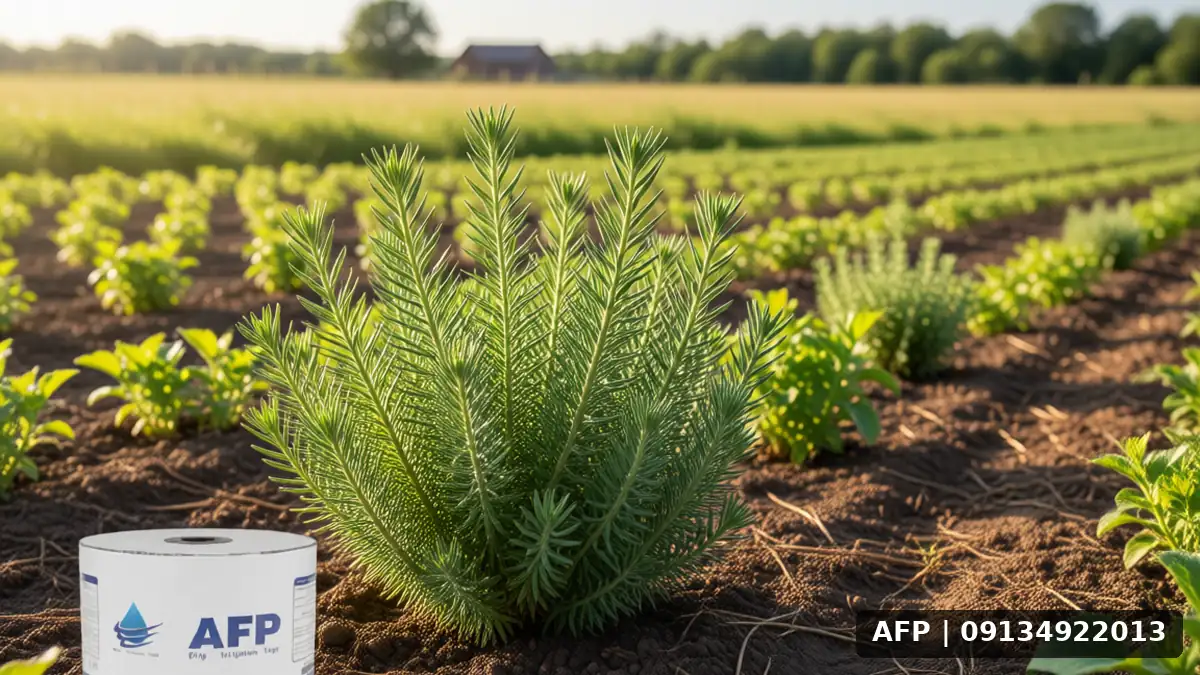
Drip irrigation is part of a broader strategy called Integrated Pest Management. The system does not directly eliminate pests, but it reduces plant stress and limits resources suitable for insects, thereby delaying the economic threshold for pest attacks.
Regular monitoring and sampling
- Once a week, inspect the heated roots with a magnifying glass.
- Check the lower leaves of rosemary for yellow spots or sticky insects (honeydew).
- If you use sticky traps for Thrips, plot the sample counts on a graph.
If soil moisture is measured with a micrometer, excessive irrigation, which causes rot, can be prevented. In this regard, it is essential to understand the basic principles of irrigation and its relationship with plant health. To learn the general principles of cultivating similar medicinal plants, you can refer to the article on fennel seed rate per hectare since fennel, like rosemary, is a Mediterranean plant with similar irrigation requirements.
Frequently Asked Questions
Can drip irrigation replace fungicide spraying?
No. Drip irrigation is a preventive tool, not a cure. If a fungal disease is diagnosed, chemical or biological fungicides (e.g., Trichoderma) should be used. Drip irrigation only prevents the recurrence and spread of the disease.
What is the best time to water rosemary using a key drip system?
It is recommended to water in the early morning or late afternoon to minimize evaporation. However, in drip systems, timing is less critical because water reaches the roots directly. The most important principle is to avoid prolonged overnight irrigation, which can cause rot.
Is the tip line spacing for rosemary the same as for other herb plants?
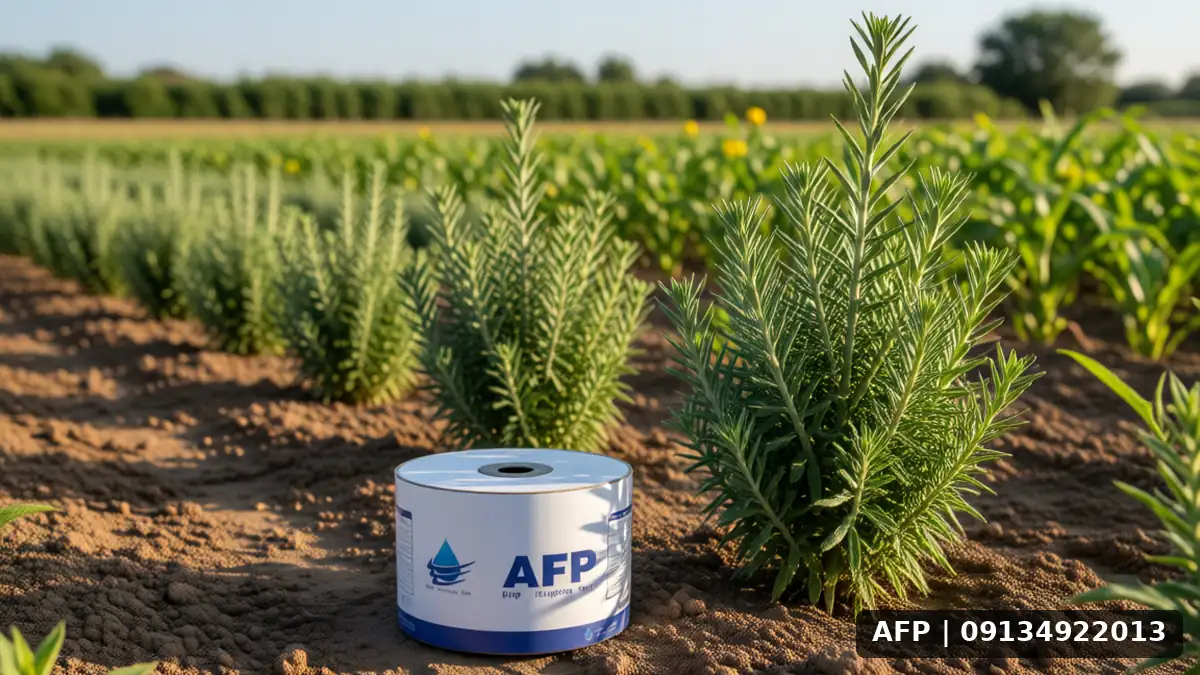
No. Spacing should be adjusted based on root depth and the plant’s canopy circle. For information on spacing principles for other plants, you can read the tip line spacing guide for beans, which explains spacing principles based on plant dimensions.
Does rosemary require solution fertilization?
Yes, rosemary requires moderate nitrogen and phosphorus but is sensitive to potassium. Injecting liquid fertilizers via drip tape (phyto irrigation) is a highly efficient method that delivers nutrients directly to the active roots.
Summary and Final Recommendations
Using drip irrigation in rosemary cultivation is not solely for water conservation; it is also a strong defensive strategy against soil-borne diseases and pests. By selecting appropriate emitters, adjusting spacing, and conducting continuous monitoring, you can reduce pest populations and produce a high-quality crop with fewer defects. If you have questions about designing the irrigation system for your rosemary farm or need advice on pipe sizing, studying more specialized articles about drip tape can help you choose the appropriate material and pipe diameter. Ultimately, remember that a healthy rosemary plant, one that does not suffer from water stress, is the best defense against pests.
Related Articles: Spinach seed rate per hectare + influencing factors and methods for increase, Lettuce seed rate per hectare + planting and irrigation tips