Full Cost of Cullina Cultivation with TIPIP Tape Drip Irrigation per Hectare: A Comprehensive and Practical Guide
Saffron cultivation is one of the most prestigious agricultural activities in Iran, requiring high precision in water and nutrient management. For many farmers, Cost of saffron cultivation with drip line irrigation per hectare This is one of the main challenges at the start of the growing season. While drip and drip line irrigation systems are recognized as solutions for optimal water resource management, these systems also involve specific initial and operational costs. In this article from Navar Irrigation, we examine this issue from various perspectives to help you accurately predict whether it will be more or less expensive.
Initial costs of drip line systems for saffron
Drip line pricing and equipment
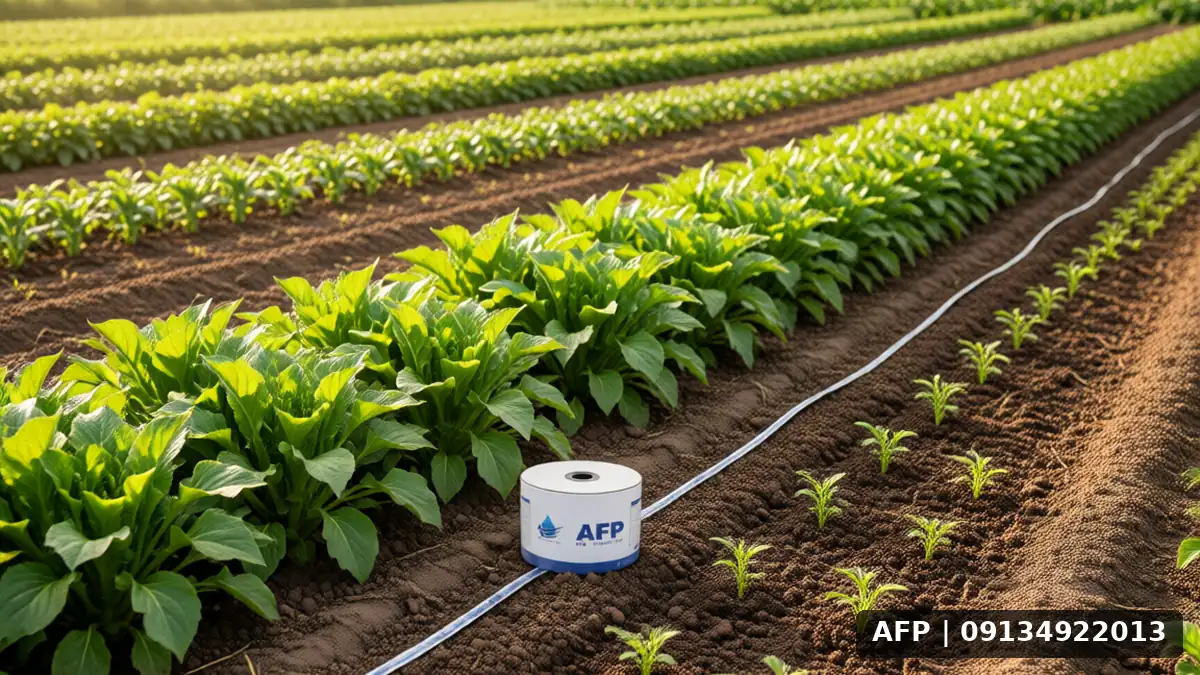
The first and perhaps most significant cost encountered at the beginning is the purchase of drip lines and their components. High-quality drip lines, although more expensive, offer longer service life and better performance. Based on experience, the price and cost of drip lines vary depending on width and thickness, field length, and the type of control valves included. For saffron, due to the plant’s sensitivity to water stress, using drip lines with appropriate diameter and precise spacing is essential.
Cost of pump, panel, and valves
In addition to drip lines, you require auxiliary equipment. This includes the water pump, filter, pressure regulating valves, electrical panel, and fittings. Although these components are purchased once, they can have a long service life and be used over multiple growing seasons. Therefore, their cost can be amortized over the number of crops planted during the year.
Seasonal operational costs
Water and energy costs
One advantage of drip tape systems is reduced water consumption. However, you must still account for the water and energy costs required to operate the system. By carefully regulating pressure and flow rate, you can minimize energy consumption. Using standard thickness and precision drip tape can help optimize pressure and flow rate regulation.
Labor costs
Installing drip tape, pumping, and system control require specialized labor. This cost depends on the region, access to skilled workers, and the level of mechanization. With proper training, a significant portion of labor can be reduced during operations.
Cost management and reduction in kafilena cultivation
Selecting appropriate drip tape spacing
One of the main keys to reducing costs and increasing yield is selecting the correct drip tape spacing relative to the plant. The spacing, which varies depending on the complete root zone requirements and local conditions, can make a significant difference. For example, in the drip tape system for forage crops (which may also apply to some plants similar to the complete root zone), the spacing might differ slightly, but the general principles regarding cost and yield are similar.
Optimizing water consumption
By precisely adjusting the irrigation timing and flow rate, you can prevent additional water and energy costs. This requires attention and regular planning. If you How to increase the effective lifespan of drip tape pay attention, repair and replacement costs will also decrease in the long term.
Economic comparison with conventional methods
Water consumption savings
Compared to surface or even conventional drip irrigation, tape dripper systems can reduce water consumption by 30-50%. This water saving, especially in arid and semi-arid regions, can be a significant economic advantage. In addition to reducing water costs, reduced evaporation and deep percolation also lead to lower ancillary costs, including fertilization.
Increased crop yield
In addition to cost savings, tape drip can also increase collina yield. By providing precise and regular water and fertilizer near the roots, plants grow better and produce higher-quality produce. This means increased income and, consequently, a reduction in total cost per unit of product. If you are looking for Tape drip for forage corn you can use similar principles in collina cultivation, although spacing and settings may differ.
Practical tips for reducing collina cultivation costs with tape drip
- Pumping cost: in Mexican corn cultivation In full cultivation of Calamintana, pumping cost is one of the factors affecting the overall cost. By using high-efficiency pumps, you can reduce pumping costs.
- Optimizing drip line spacing: Appropriate drip line spacing from the root zone can help reduce water consumption and improve efficiency. This requires precise adjustment based on the specific conditions of your farm.
- Ensuring an adequate water source: Access to clean water sources with adequate discharge can help reduce treatment and pumping costs. In drip irrigation for beansthe water source can also influence the system design.
- Quality control of drip tape: Purchasing high-quality drip tape can reduce long-term maintenance and replacement costs. Quality drip tape offers lower total costs due to its durability and superior performance.
Frequently Asked Questions
What is the total cost of cultivating Camlinah using drip tape per hectare?
The total cost of cultivating Camlinah using drip tape per hectare depends on several factors, including seed price, labor costs, water costs, energy costs, and system maintenance expenses. Generally, this cost may range from 30 to 60 million tomans per hectare, but the exact figure depends on local conditions, the seeds used, and the type of irrigation system.
Is drip tape economically viable for Camlinah?
Yes, drip tape can be economically viable for Camlinah due to reduced water consumption, increased yield, and lower incidental costs. Considering the high product quality and its increased market price, you can recoup the initial costs.
How can I reduce the cost of cultivating corn using drip irrigation?
To reduce the cost of cultivating corn with drip irrigation, you can use the following tips: use high-efficiency pumps, optimize drip line spacing, ensure an adequate water source, and control drip line quality. Additionally, using smart control systems can help reduce water and energy consumption.
Conclusion
The cost of cultivating corn with drip irrigation per hectare is a complex topic that depends on many factors. By considering initial and operational costs, you can accurately estimate the total cost. Due to reduced water consumption and increased efficiency, using drip irrigation can be a wise investment. By following practical tips and selecting the appropriate system, you can benefit from the economic and productivity advantages of this method. For more information, visit [our website].