Tuber Beet Cultivation Cost via Tip Drip: Hectare-Level Economic and Irrigation Analysis
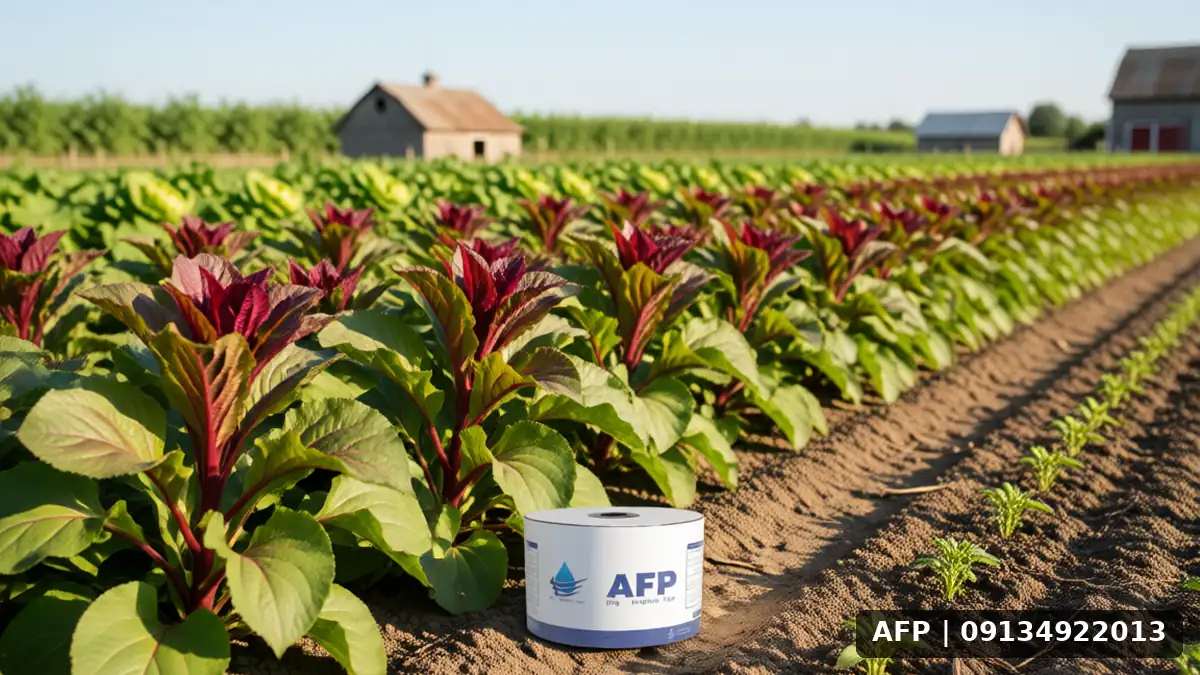
Introduction: Why use drip irrigation for sugar beet cultivation?
Sugar beet is a root crop highly sensitive to moisture and nutrient management. In recent years, smart farmers have not only increased crop yields by implementing drip irrigation systems, but also optimized water, fertilizer, and labor costs. However, many face the question before starting cultivation: How much will investment in this system cost? The answer to this questionCost of sugar beet cultivation using drip irrigation per hectare requires a detailed multi-faceted analysis. This system, due to its direct soil contact and uniform water distribution, promotes uniform root growth and increases the size and quality of beets. In the following, we examine all aspects of these costs to help you make an informed decision.
Breakdown of fixed and variable costs in sugar beet cultivation
For a better understanding of the required budget, costs must be divided into two main categories. Fixed costs include the necessary infrastructure for utilizing drip irrigation, while variable costs are directly related to the production unit (hectare).
Initial (capital) costs
- Drip tape purchase: Prices vary depending on metrics, manufacturing quality, and thickness. For beet cultivation, standard drip line tapes or double-sewn lateral drip tapes are generally recommended. To familiarize yourself with the various systems that make up this network, you can read the article Drip tape irrigation system components .
- Pump and filtration unit: These components are purchased once and can be used for multiple seasons. Having a suitable filter prevents clogging of the small drippers.
- Auxiliary equipment: Transfer hoses, valves, and fittings that require accurate estimation for each hectare.
Operating costs
- Water and electricity cost: Although drip irrigation uses less water than flood irrigation, the cost of pumping and the energy required to generate adequate pressure are calculated.
- Seed and sapling cost: High-quality sugar beet seeds suitable for local soil conditions must be purchased.
- Pesticide application and chemical fertilization cost: Fertilizer transport costs can be reduced through the irrigation system (fertigation).
Detailed breakdown of drip irrigation costs per hectare
Precise calculation Sugarcane cultivation cost using drip tape per hectare Without precise dimensions and land specifications, it is difficult to determine, but we can examine a standard model. Assume we have one hectare of land with standard sugarcane cultivation dimensions.
Direct cost of drip tape
If you require approximately 1000 to 1500 meters of drip tape for one hectare (depending on full or row-based layout), you must multiply the price per meter by the required quantity. Note that purchasing high-quality drip tape with a warranty prevents costs associated with repair and replacement in the following season. To select the best option, study the article How to select appropriate drip irrigation tape is very critical. Also, some farmers prefer using layflat tapes for greater durability against sunlight and erosion; in this case, you can read the guide on the benefits of layflat drip irrigation tape.
Entrepreneurship and labor cost
Installing drip lines requires skilled labor. In the initial years, labor costs for laying the lines, connecting emitters, and testing the system are significant. However, in subsequent years, this cost decreases because the infrastructure is already in place. Additionally, the cost of harvesting beets with mechanized equipment decreases due to the uniform plant growth achieved with drip irrigation systems.
Economic benefits: Where does the return on investment begin?
The key question is whether the high initial costs (cost of beet cultivation using drip lines per hectare) are economically justified. The answer is yes, because these systems offer several key advantages:
- Yield increase: Precise moisture management reduces plant stress and increases beet volume. Field reports indicate that a 20 to 30 percent improvement in yield is regularly observed.
- Water savings: In many regions of Iran, water is an expensive commodity. Drip irrigation can reduce water consumption by up to 40%, resulting in significant savings in operational costs.
- Reduction in labor costs: Drip irrigation does not require the constant presence of a worker. Once calibrated, the system operates automatically.
To better understand the relationship between yield and cost, you can review the article Drip Irrigation Yield to understand the exact water volume required for beets at different growth stages. Additionally, if you plan to use drip irrigation for other crops such as garlic or peas, understanding the yield of these crops is also beneficial, such as in the article Garlic Yield per Hectare which demonstrates the versatility of these systems.
Practical tips for optimizing costs
Pre-purchase planning
Before finalizing the purchase of equipment, always consult with a specialist. Using cheap, low-quality drip tape may save money in the short term, but it results in high repair costs in the long term due to the rapid clogging of emitters. Be sure to follow the points mentioned in the guide for Pre-purchase tips for irrigation drip tape be consistent. Selecting the appropriate size of the main line and pump pressure also has a direct impact on the amount of repair costs.
Combined application
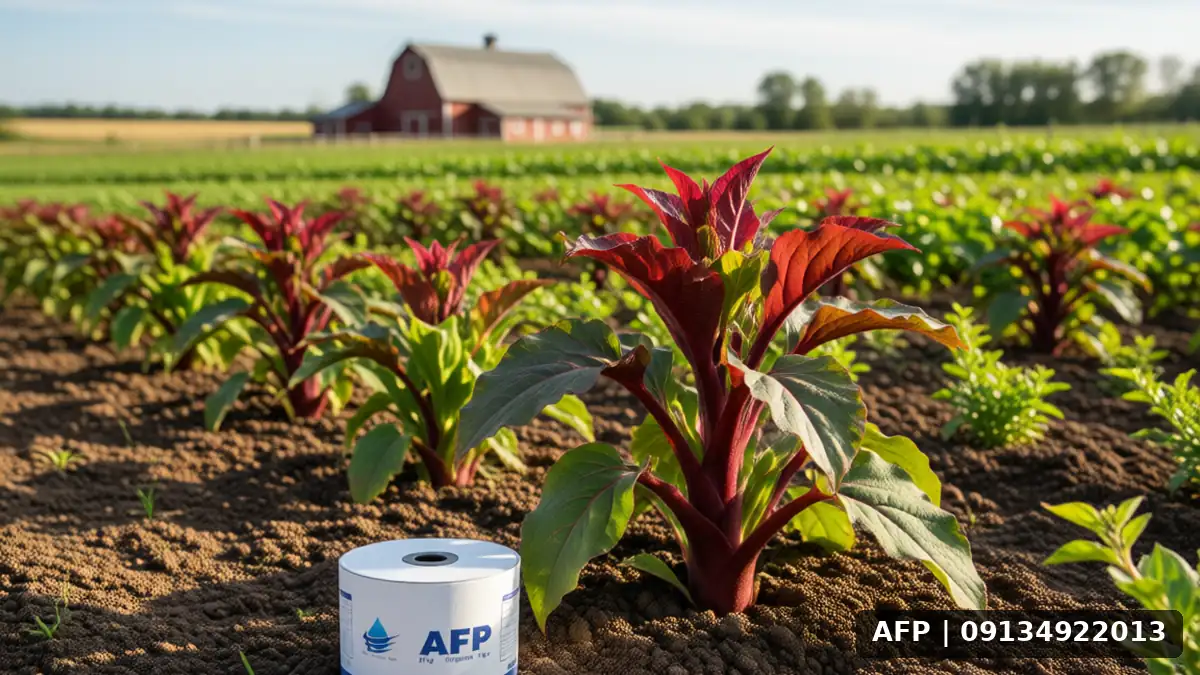
Many farmers install a complete drip system in the first year of planting and, from the second year onwards, minimize maintenance costs by using recoverable drip tape. This combined approach can bridge the budget gap. Additionally, using solar panels to power the pump in high-irradiation areas can reduce electricity costs to zero.
Preparing the planting calendar
Scheduling planting and irrigation based on the actual needs of the sugar beet crop (rather than a fixed schedule) reduces water and fertilizer costs. Monitoring soil moisture with reliable sensors, although it involves an initial cost, is the most profitable long-term solution.
Frequently Asked Questions (FAQ)
1. Is drip tape cost recoverable?
Yes, with proper maintenance, side-sewn drip tapes can be used for 2 to 3 years. Considering reduced water costs and increased yield, costs are typically recovered during the second or late season.
2. What is the appropriate spacing for drip tape in sugar beet cultivation?
Row spacing varies depending on the seed type and planting density. Typically, 20 or 30 cm tapes are used. Ensuring correct layout for complete root coverage is essential to avoid wasting the cost of the tape.
3. How important is filtration cost?
Filtration is the heart of the system. The costs of repairing drip emitters due to pollution and sedimentation are much higher than the cost of the filter itself. Investing in good filtration systems guarantees a reduction in renewal costs.
4. Is drip tape suitable for all types of beet?
Yes, from edible root beet to small beet, they all respond well to precision irrigation systems. The key point is adjusting the amount and timing of irrigation based on plant age.
Conclusion
In conclusion, Cost of growing beets with drip tape per hectare It is a combination of initial fixed costs and current variables. Although the initial financial burden for purchasing irrigation equipment may seem heavy for farmers transitioning from older systems, economic analyses show that the return on this system in subsequent years is highly attractive in terms of resource savings, improved product quality, and reduced reliance on labor. The key to success lies in selecting high-quality equipment, correctly designing the system based on farm conditions, and precisely managing irrigation and fertilization. By using the provided recommendations and studying supplementary resources, you can pave the way for maximum efficiency in your beet cultivation.