Dill Cultivation Costs with Drip Irrigation Per Hectare: Economic and Technical Analysis
Introduction to the Economics of Kenaf and Drip Tape Systems
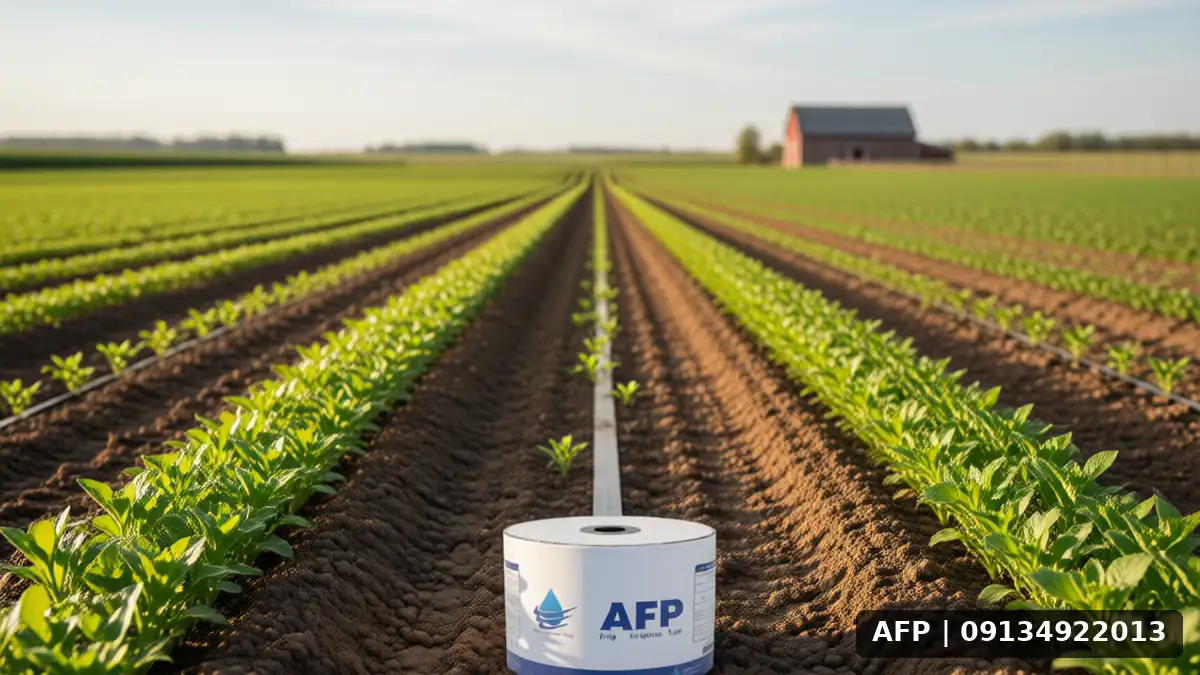
Kenaf (scientific name Corchorus) is a strategic commercial and industrial commodity with high importance in textile and paper-making value chains. Technically, a major challenge in cultivating this crop is its high sensitivity to irregular irrigation. Modern irrigation systems such as Drip Tape (Drip Tape), by focusing on root-zone watering, have reduced waste and improved yield uniformity. However, is the implementation of this system economically viable? Examining the cost of Kenaf cultivation per hectare using drip tape requires a detailed analysis of various components, including land preparation, equipment, planting operations, and maintenance. This guide analyzes all aspects of this topic to enable agricultural authors and farm managers to make better decisions.
To better understand Kenaf’s position among other crops, you can read the guide on chickpea seed rate per hectare to observe the differences between seed and cover planting patterns.
Analysis of the main cost components of chive cultivation using drip tape
Costs of drip or drip tape irrigation are divided into fixed and recurring categories. In chive cultivation, a significant portion of the costs is recurring. The key components are reviewed below:
1. Irrigation equipment cost (drip tape and filtration)
Drip tape is less expensive than micro-drip irrigation, but its high efficiency compensates for this. Installation costs include control valves, mesh or disc filters, and high-pressure pumps. For chive cultivation, due to the sensitivity of the shallow root system, the spacing between planting rows is usually set at 30 to 40 centimeters.
2. Seed and seed preparation cost
Chive seed is expensive, and loss rates are high during manual sowing. Using precision drillers with accurate calibration for chives reduces seed costs. Adhering to appropriate planting density and spacing is a critical factor, a principle also noted in peanut seed quantity per hectare, and density management rules are similar for other vegetative crops.
3. Soil management and spraying cost
Saffron cultivation requires precise fertilizer balance. Drip lines enable subsurface fertilization (Fertigation). Costs for this stage include purchasing chemical fertilizers, pesticides, and specialized labor to manage spray solutions. Inaccurate timing of fertilization directly impacts final costs and yield performance.
Practical tips for reducing per-hectare cultivation costs
To optimize the cost of saffron cultivation using drip lines per hectare, adherence to the following principles is mandatory:
- Selection of native and adapted varieties: Varieties with higher resistance to heat stress require less shading and reduce field expenses associated with plant stress reduction.
- Pest and disease management: Fenugreek is susceptible to root rot and maggot infestation. Using crop rotation and biological control reduces the cost of repeated pesticide applications.
- Optimizing system pressure: Adjusting drip line pump pressure based on the piping layout reduces energy consumption. Electricity and fuel costs in pressurized irrigation systems account for a significant portion of operating expenses.
- Monitoring seeded pockets: Fenugreek exhibits weaker root establishment in light soils with irregular seed placement. Precise seedbed preparation through soil cultivation eliminates the need for replanting and replacement.
In the cultivation of certain grain crops, such as barley, irrigation cost management differs. For comparing economic cultivation models in arid regions, the guide on barley yield per hectare: Strategies for enhancing productivity and sustainability in arid regions, can be useful.
Complementary processes and cost factors
Impact of weather and geographic region
The cultivation cost of nettle per hectare using drip tape is directly influenced by climatic conditions. In temperate regions, the netting harvest period is shorter, resulting in lower operational costs. Conversely, in hot and arid regions, the need for shade structures and temperature control generates additional expenses. Additionally, soil quality regarding structure increases the cost of pre-planting soil preparation.
Comparison with cultivation of other commercial crops
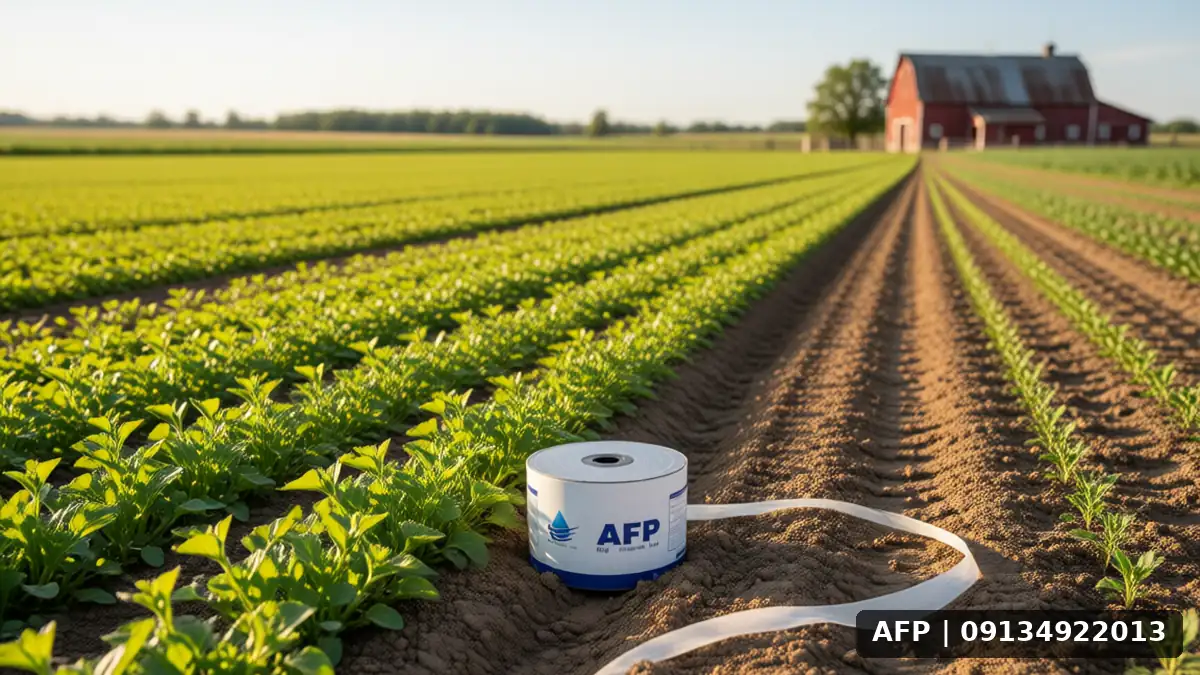
To better understand the economic position of nettle, it can be compared with other crops. For example, in the cultivation of specific specialty crops, such as coriander seed, the cultivation methods and costs differ. Guide study Amount of coriander seed per hectare and planting method This demonstrates diversity in the economic models of grain products. Each crop has its own unique variables in the drip tape system.
Harvest management and post-processing
The cost of nettle cultivation is not limited to the harvest stage. After picking the netting, the stages of retting, washing, and drying of the netting account for a significant portion of labor and energy costs. The use of trapping devices and control of environmental humidity during drying reduces waste costs.
Frequently Asked Questions (FAQ) About Drip Tape Cultivation Costs
- What is the initial cost of a drip tape system per hectare?
The initial cost depends on the type of tape, filters, and piping equipment. Generally, investment in drip tape represents 15 to 25 percent of total cultivation costs in the first year, which becomes justifiable in subsequent years.
- Is drip tape cultivation as precise as sprinkler irrigation?
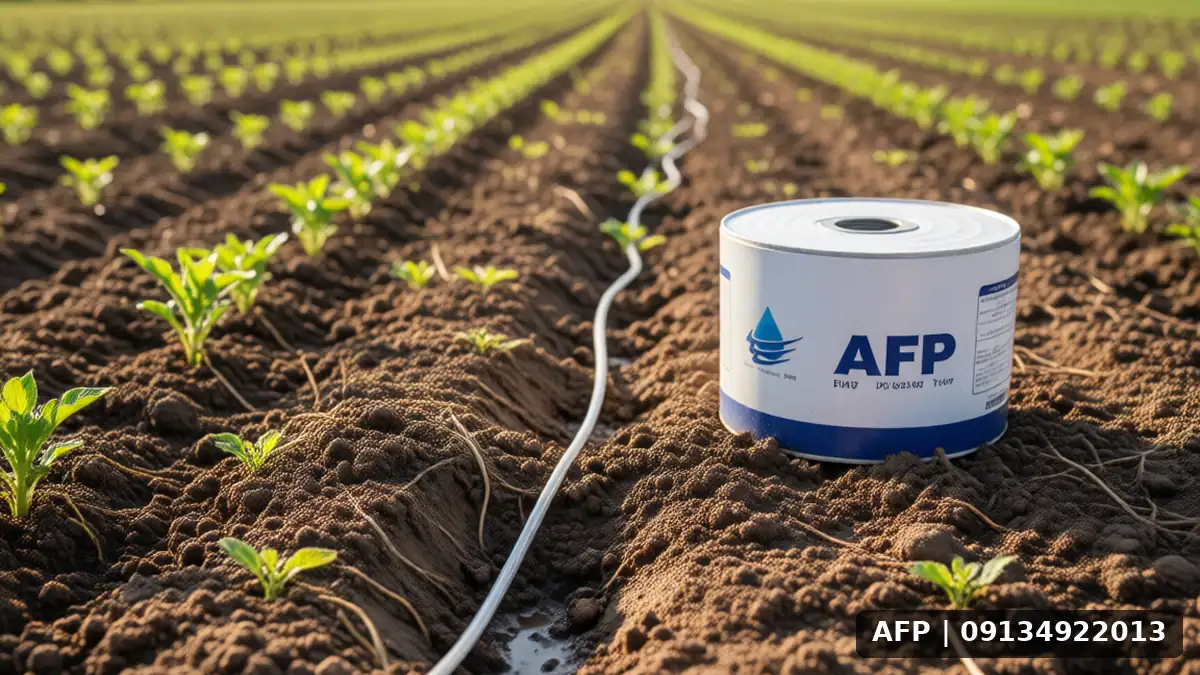
For crops with shallow and sensitive root systems, drip tape is more precise than sprinkler irrigation because it retains moisture directly in the root zone and prevents rot caused by excessive wetness of the plant crown.
crop cost per hectare drip tape basil - What is the best planting time for basil to reduce heat stress costs?
Early spring planting (subject to suitable regional weather conditions) helps avoid severe summer heat and reduces the need for shade netting and cooling during the growth period, thereby directly lowering costs.
- What is the required seed rate per hectare for Zarah Marigold (Tagetes erecta)?
A seed rate of 2 to 3 kg per hectare is generally recommended. Exceeding this limit leads to overcrowding, reduced stalk thickness, and increased harvesting costs.
Conclusion and Final Recommendations
Project Implementation Cost of Cultivating Marigold Using Drip Tape per Hectare A systems approach is required. Although the initial cost of a pressurized irrigation system is higher, it improves stalk quality, increases the proportion of Grade 1 thick stalks, and reduces post-harvest waste, thereby increasing net returns in the long term. Farmers and industry stakeholders are advised to calculate local costs for water, energy, and labor based on their specific regions before making final decisions. Additionally, cultivation patterns of other market crops such as Fennel can be used to better manage cultivation in similar climates; studying fennel yield per hectare and influencing factors + methods for increase can provide complementary insights into the economics of aromatic and market crops. Ultimately, combining irrigation technical knowledge, selecting appropriate varieties, and precise cost management is the key to success in cultivating this strategic crop.
Related Content: wheat irrigation yield per hectare comprehensive guide, Triticale seed rate per hectare + Seeding density table, Pea seed rate per hectare + Influencing factors