Drip Tape Maintenance for Vegetables: Key Tips for Enhancing Productivity
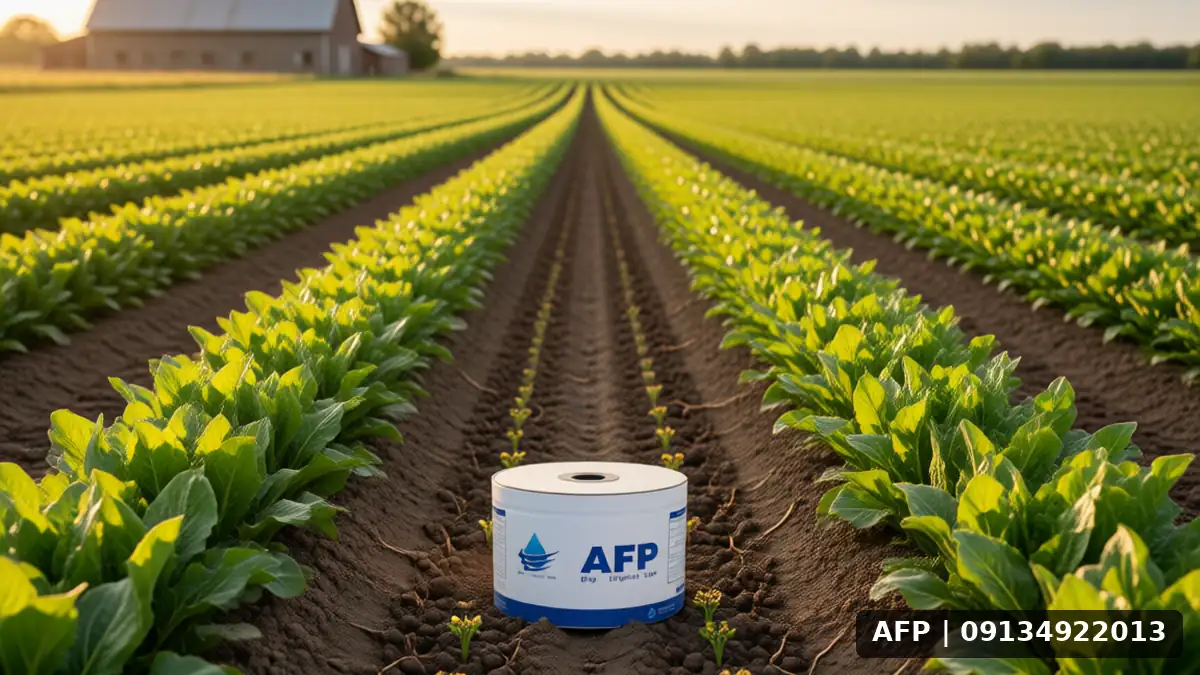
Drip irrigation, and specifically the use of tape in vegetable cultivation, is one of the most important modern methods for managing water resources and improving crop quality in Iran. However, many farmers face technical challenges at various stages of cultivation. From pressure drops to clogged emitters, all of these factors directly affect plant health and yield. In this guide, we cover the principles of Vegetable Maintenance with Tape in technical and practical detail so that you can achieve optimal performance from your irrigation system.
Introduction: Why is Proper Tape Maintenance Critical?
Tapes are susceptible to degradation and clogging due to their thin material and high water flow velocity. In vegetable fields with rapid planting cycles, the repeated installation and removal of tapes in each planting season places significant stress on system components. Without a regular protocol Acres of Tape Per Hectare and adherence to maintenance principles, you may experience a significant decrease in water flow at the ends of the tapes. This irrigation inefficiency leads to water stress in plants, reduced growth rates, and ultimately a notable drop in your income. The goal of this section is to understand the importance of periodic and preventive maintenance.
Key Filtration and Water Purification Points for Tape
The most critical step in maintaining drip tape emitter clarity is preventing the entry of suspended solids. For vegetable orchards, using mesh filters with a 120 to 150 mesh size is recommended. Additionally, during early spring irrigation when sediment and clay particles are higher, combining a disc filter with a mesh filter increases reliability. Never allow filters to remain uninspected; dissolved solids and biofouling are the fastest routes to clogging the tape.
- Mesh filter: Wash the mesh with low-pressure water after every 100 to 200 hours of system operation.
- Disc filter: Suitable for preventing fine organic particles that may pass through the mesh filter.
Periodic flushing and pulse washing: The art of restoring clarity
Even with the best filtration, some sediment will accumulate over time in the low-pressure points of the system and inside the tapes. Pulse Flushing Pulse flushing is a technique that releases sediment by applying rapid pressure shocks to the water and prevents it from clogging the tape emitters. For vegetable orchards, it is recommended to run the system at a pressure higher than the usual limit (away from the plants) for 5 minutes every 5 to 7 days. If you are using new drip tapes, perform the first flush 24 hours after installation to clear manufacturing dust from the tapes.
In addition to physical flushing, chemical flushing using citric acid or oroxylinic acid can dissolve salt deposits and microbial biofilms. This is essential in areas with hard water. Ensure that concentrated acids are not used to prevent damage to the polyethylene material of the tape.
Practical tips for pressure regulation and preventing tape damage
Overpressure is the silent enemy of drip tape. Excessive pressure causes the tape to stretch, enlarges the outlet holes, and ultimately leads to tape rupture at connection points. For standard vegetable drip tapes, the safe operating pressure is usually between 1.5 and 2 bar. Using Complete cutoff of drip tape high-quality connectors helps ensure stronger joints, but instead of applying high pressure, you should focus on system balance.
- Outlet pressure measurement: Use a manometer to measure the pressure at the end of the last line. If the pressure drop exceeds 10 percent, adjust the line sequencing.
- Rapid valve closure: Prevent the sudden closure of main valves to avoid water hammer, which can cause line ruptures.
- Autodeairator installation: Using an autodeairator to release trapped air prevents high local pressures at the high points of the orchard.
Replacement and management of worn drip lines
No drip line is designed to last forever. For crops with multiple seasons per year, such as vegetables, you must have a precise plan for replacing worn lines. If water flow stops in 50 percent of the length of a specific line, that line must be taken out of service and replaced with a new one. Keeping worn lines increases pumping costs and raises the risk of contamination through line cracks.
Additionally, when closing the orchard for winter rest, remove the lines from the field and store them in a cool, shaded area away from chemical substances. Direct sunlight is the main reason for the rapid reduction in line lifespan. Ensure that the water inside the lines is drained so that winter freezing does not destroy the lines from the inside. To determine the exact water requirement of each crop, refer to Sage seed rate per hectare and other basic irrigation calculations, it helps in better scheduling of irrigation timing.
Frequently Asked Questions (FAQ)
What is the best time to flush the drip tape?
The best time is just before starting a new irrigation cycle or when you notice a drop in discharge pressure from the end caps. It is recommended to do this before the main irrigation starts to prevent sediment from settling on the plant leaves.
Can canal water be used for flushing the tapes?
No, canal water has high turbidity. You must definitely use dual filtration (disc and mesh) for the water entering the main manifold to prevent the tapes from clogging again.
How do I know if my drip tape has reached the end of its useful life?
Reduced flexibility, stiffness, significant color changes (turning black or yellow), and the appearance of fine cracks on the tape surface are warning signs. Additionally, a significant decrease in flow rate compared to the value specified on the drip tape packaging is the engineering criterion for replacement.
Is citric acid harmful to sensitive vegetables?
Citric acid is safe at low concentrations (less than 2%). However, after chemical flushing, you must definitely perform several rounds of freshwater flushing to remove excess acid and prevent root zone damage to the plants.
Conclusion and Final Recommendation
Managing a drip tape system is not a one-time task but a continuous process that succeeds through disciplined filtration, regular pulse flushing, and pressure monitoring. Adhering to the principles Vegetable maintenance with drip tape This helps you not only increase water efficiency but also reduce annual pump and tape replacement costs. This investment in maintenance is exactly what sustainable farming needs today. Considering the critical role of fertilization in crop quality, you can use the guide for seed watermelon planting density per hectare to optimize the nutrition of high-yield crops and make full use of your irrigation system. Remember that drip irrigation is the art of balance; balance between pressure, filtration, and timing.
Related articles: Common bean seed rate per hectare + influencing factors