Treh Drip Line Maintenance: Key Tips for Optimal Irrigation
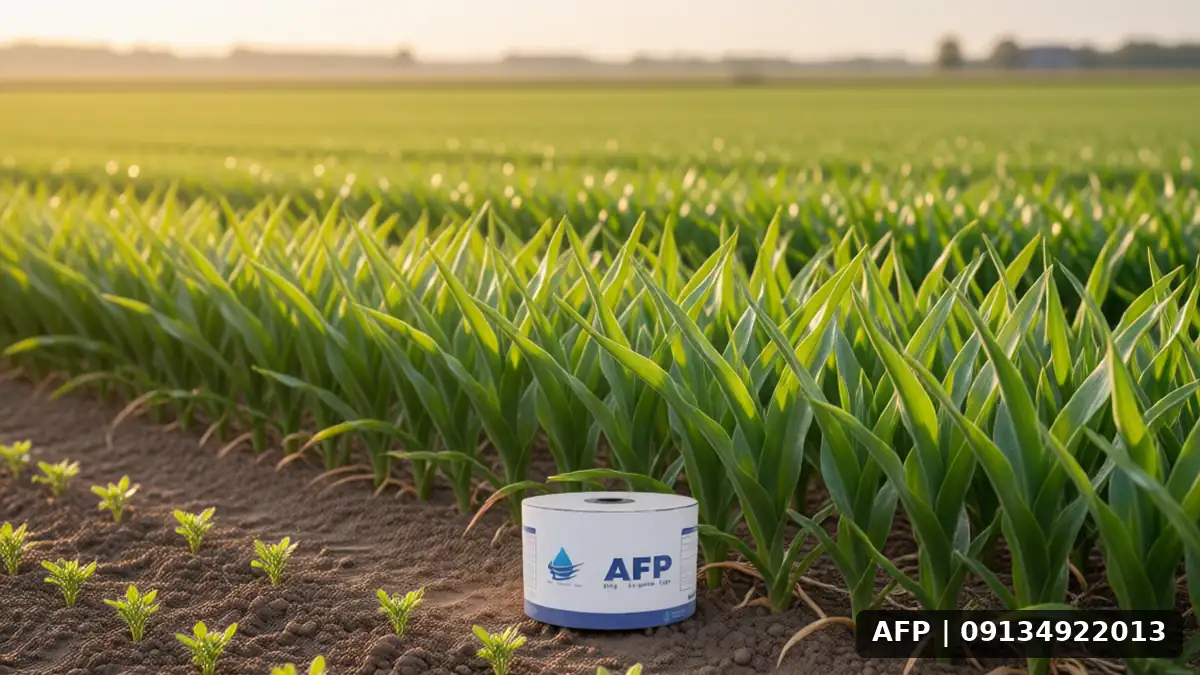
Introduction: Why Is Maintaining Lettuce with Drip Tape Important?
Lettuce is one of the most in-demand greenhouse and field crops in Iran, requiring special attention to the irrigation system. The use of drip tape is highly popular due to its lower cost compared to drip lines; however, this system is highly sensitive to environmental conditions and water quality. Many farmers who intend to benefit from maintaining lettuce with drip tape often believe that correct installation is sufficient. In reality, 50% of this system’s useful life depends on the maintenance phase and preventing the blockage of micro-holes (Emitters). In this article, we examine technical details, common challenges in lettuce cultivation, and practical solutions for extending the useful life of drip tape.
Specific Challenges in Lettuce Cultivation
Due to shallow roots and high sensitivity to water stress, lettuce requires precise and regular irrigation. If drip tape is not maintained properly, clogging of irrigation points causes localized dryness, leading to yellowing and reduced leaf quality in lettuce. Additionally, rapid plant growth and the use of pesticides and soluble fertilizers can directly affect the health of the tape.
Drip irrigation tape in Anbar: Advanced agricultural solutions for a sustainable future
Technical Terms and Operating Mechanism
For better understanding of maintaining lettuce with drip tape, it is necessary to have a sufficient understanding of its structure. Drip tapes are typically made of polyethylene (PE) with a very thin thickness (usually 0.35 to 0.5 millimeters). The micro-holes on the tape are created by laser drilling. Due to the thinness of the tape, these holes are at risk of mechanical damage by agricultural tools (such as tractors or the farmer’s hands).
Impact of Lettuce Planting on System Pressure
In lettuce cultivation, fields are usually planted in rows with tight spacing. This density reduces the distance between two drip tapes. Consequently, water pressure inside the tapes must be adjusted to ensure uniform flow. Pressure fluctuations can cause uneven leakage and, in the long term, create weak and strong points in the tape’s polymer structure. Familiarity with drip tape characteristics helps you gain a proper understanding of the chemical and mechanical resistance of these pipes.
Main Challenges in Maintaining Lettuce with Drip Tape
The biggest enemy of drip tape is the sedimentation of suspended materials and microbial growth. In lettuce cultivation, the use of nitrogenous fertilizers and concentrated nutrient solutions is common. If these solutions pass through the tapes without proper filtration, fine particles in the fertilizer or water sediments block the tape’s micro-holes. This phenomenon is called “chemical blockage” and “biological blockage.”
Chemical and Biological Clogging
- Chemical clogging: caused by the deposition of mineral salts (such as calcium chloride) at the expansion points of the tape.
- Biological clogging: Growth of algae and cyanobacteria that produce sticky substances (slime).
- Mechanical clogging: Ingress of fine sand or soil particles due to poor filtration.
To prevent these issues, proper filtration with a mesh size of 120 to 150 is essential. Additionally, using appropriate chemical classes to prevent algae growth in the system is key.
Practical tips for extending the useful life of tape in lettuce farms
Below, we provide practical solutions for maintaining lettuce with drip tape which can reduce your annual replacement costs.
1. Periodic system flushing
After each irrigation cycle, the system must be flushed with a strong water flow through end caps or drain pipes to remove deposits and silt. This is particularly necessary after injecting soluble fertilizers.
2. Water pressure management
Pressure in drip tape should not exceed the allowable limit (usually 1 to 1.5 bar). High pressure causes polymer stretching and distortion of the holes. Using a pressure regulator at the system inlet is recommended.
3. Physical protection of the tape
Drip tapes are very sensitive to machinery passage. During weeding or lettuce harvesting, always ensure that knives and sharp tools do not pass over the tape. If tool passage is unavoidable, it is better to place the tape under the field surface or use protective covers.
4. Input water quality control
Well water or surface sources may contain iron, manganese, or chlorine. These substances can cause discoloration and reduce the tape’s lifespan. Water testing and the use of sand or optical filters when necessary are part of drip irrigation tape maintenance and management.
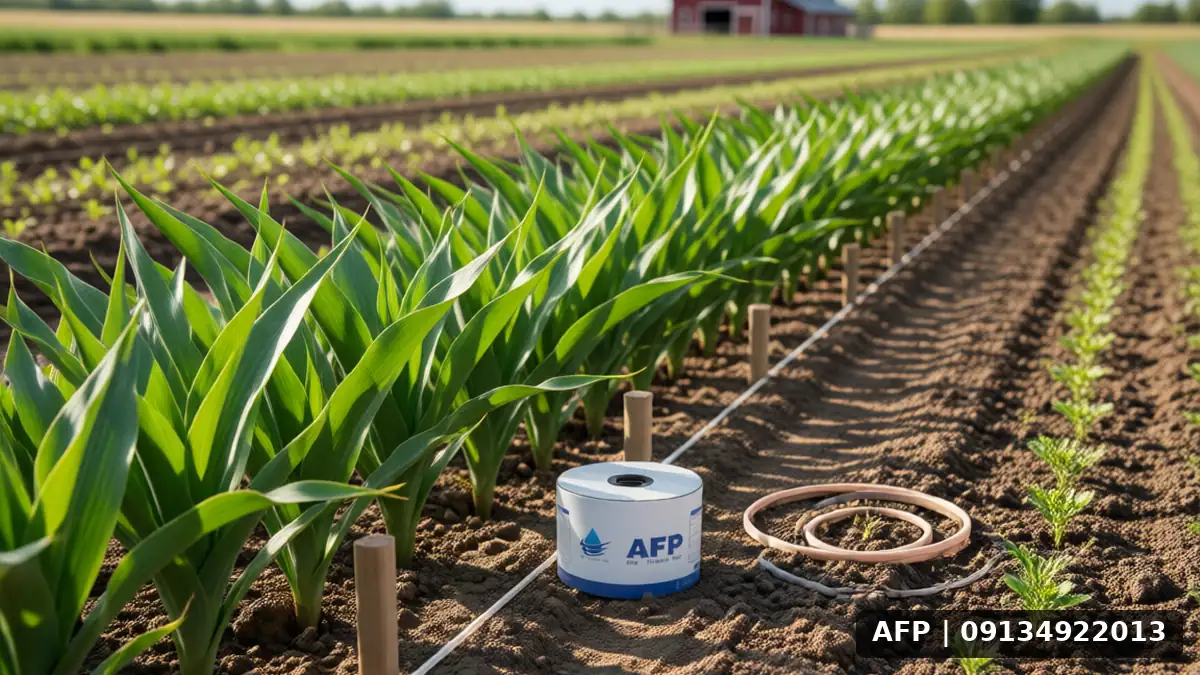
The impact of irrigation quality on cabbage quality and yield
One of the main reasons for using drip tape in cabbage cultivation is irrigation uniformity. Due to its high water consumption and rapid growth, cabbage requires consistent moisture levels. A properly functioning drip tape ensures uniform moisture distribution and prevents root rot around the emitter holes.
Crop rotation management and its effects on the system
If the cabbage field is replaced with other vegetables such as beans or other legumes, attention to filter cleaning becomes even more critical. Any crop change can alter the water consumption pattern and fertilization methods. Consequently, filtration settings and tape spacing must be coordinated with the crop plan. Using appropriate filters can prevent an increase in chemical risks.
Review of common errors in cabbage drip tape maintenance
Many farmers assume that a healthy drip tape indicates no problems. However, the key point is that drip tapes are generally designed for a single growing season (single-use). Maintaining cabbage with drip tape does not mean rebuilding the tape for the next season (except for specific multi-use models); rather, it means ensuring proper performance throughout the current season.
- Common Error 1: Using tape with minor scratches for extended periods without monitoring. Scratches are accumulation points for sediment.
- Common Error 2: Failure to flush main filters. Clogged filters increase pressure and put stress on the drip tape.
- Common Error 3: Irregular piping. Pipes exposed to direct sunlight and sand degrade faster.
To better understand the impact of proper management on overall performance, you can refer to reviews of Yield per hectare Proper drip tape management is directly linked to water efficiency and the reduction of economic losses.
Frequently Asked Questions (FAQ)
Is a drip line repairable?
Under very specific conditions and for minor defects, repair is possible using specialized adhesives or sealing compounds. However, it is strongly recommended to replace the line for reasons of hygiene and pressure stability. In high-growth-rate vegetable fields, the risk of re-clogging after repair is high.
What is the ideal spacing between drip lines in a vegetable field?
This spacing depends on the crop and planting depth, but a distance of 1 to 1.5 meters between two lines is generally recommended. The most important point is uniform coverage of soil beneath the line emitters to ensure that vegetable roots always have access to moisture.
Does the use of persistent pesticides have a negative effect on the drip line?
Yes. Some chemical pesticides react with polyethylene compounds and cause the drip line to become brittle. Always consult with a pesticide applicator regarding the compatibility of active ingredients with plastic (polymer) materials.
Conclusion
Maintenance of drip lines in vegetable fields This is a process that begins with system installation and continues with continuous monitoring of water quality, pressure, and the physical health of the lines. Adhering to filtration principles, regular flushing, and mechanical protection of the drip line is the key to harvesting high-quality vegetables at lower costs. Investment in proper system maintenance guarantees return on investment through reduced water loss and improved uniformity of crop growth.
For a better understanding of water resource management and irrigation system optimization, it is recommended to review related articles in the Irrigation Pipe Price Guide .
Related Content: Characteristics and Properties of Drip Lines