Spinach Maintenance with Drip Tape: Key Points and Practical Guide
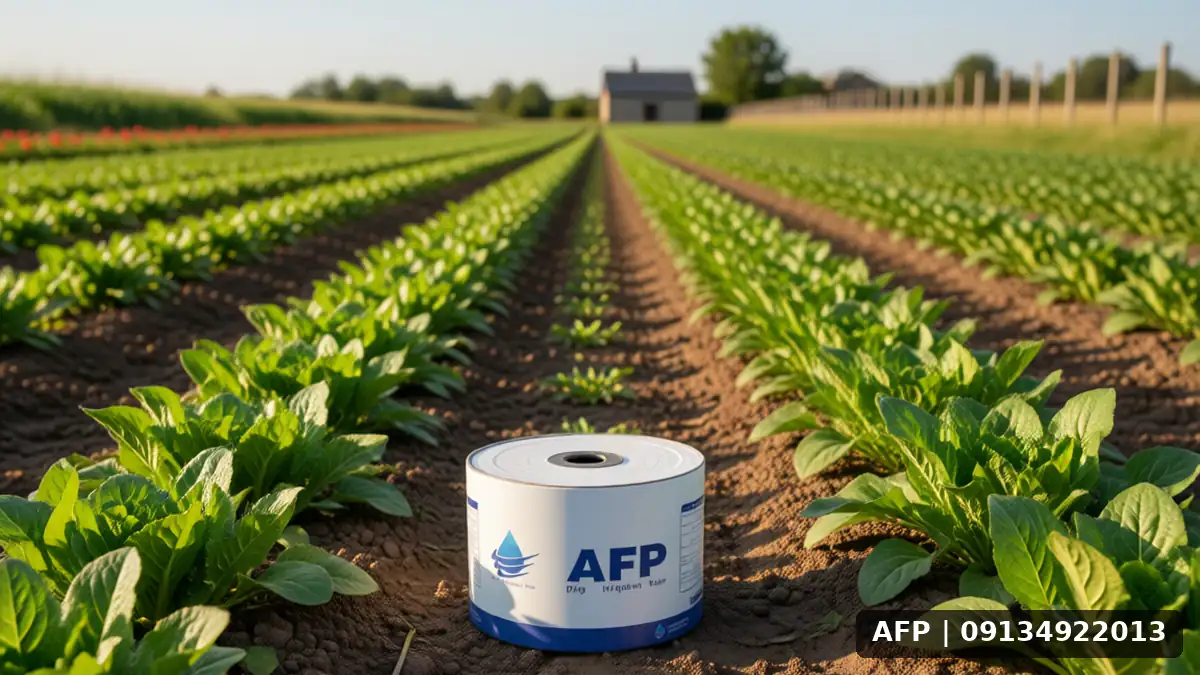
Introduction: The Importance of Optimizing Irrigation Systems in Spinach Cultivation
Spinach is one of the most widely used and irrigation-sensitive vegetables, requiring consistent and uniform moisture for optimal growth. The use of drip irrigation systems, particularly Tape Drip Line, is an efficient method for managing water resources and plant nutrition. However, utilizing this technology extends beyond mere purchase and installation; ‘Tape Drip Line Maintenance for Spinach’ and regular care of pipes, filters, and emitters play a decisive role in preventing contamination, managing sedimentation, and maintaining water pressure stability. Below, we will outline how to extend the system’s lifespan while ensuring the health of the spinach crop.
< Factors Affecting Tape Drip Line Performance in Spinach Fields
To better understand how to care for the system, it is first necessary to identify the factors that cause issues. Due to its rapid root growth, spinach is highly sensitive to sudden changes in soil temperature and moisture. If the tape drip line is not installed correctly or becomes partially clogged over time, asymmetric water distribution in the planting bed can lead to drought stress in some plants and root rot in others due to excess moisture. Therefore, understanding the technical principles of [link_text: drip irrigation tape installation steps ariq | href: https://navar-abyari.ir/drip-irrigation-tape-installation-steps-ariq/] is of double importance.
The Role of Water Pressure and Pipe Quality
Water pressure in drip tape systems must remain within a specific range (typically 1 to 3 bar for lightweight tapes) to ensure consistent performance. Excessive pressure can cause the thin tape wall to rupture or lead to uneven water distribution, while low pressure results in inconsistent droplet uniformity. Using high-quality UV-resistant tubing is another critical factor in ensuring the system’s service life. Periodic inspection of connectors and T-fittings is essential.
Advanced maintenance and troubleshooting steps for the system
Routine irrigation system maintenance is a process that begins before planting and continues through harvest. This section details the technical procedures for maintaining drip tape in spinach cultivation.
1. Proper treatment and filtration
The most significant risk in drip tape application is the clogging of micro-orifices due to sediment, algae, or suspended particles. While spinach has low sensitivity to high salinity, calcium deposits can still block water channels. It is essential to use sand or disc filters with an appropriate mesh size (typically 120 to 150 microns). Additionally, regular backflushing of filters must be performed to prevent interference with the main flow. Familiarity with the principles of [link_text: Subsurface irrigation of crops | href: https://navar-abyari.ir/%d8%a2%d8%a8%db%8c%d8%a7%d8%b1%db%8c-%d8%b2%db%8c%d8%b1-%d8%b3%d8%b7%d8%ad%db%8c-%da%af%db%8c%d8%a7%d9%87%d8%a7%d9%86/] can aid in the combined design of irrigation systems. Although drip tape is primarily a surface application method, understanding the differences in water delivery mechanisms is important.
2. Flow and drainage management
Drip tapes are typically non-contained, and their open ends require proper closure or an outlet. If the end of the tape is open, water pressure leaks from the open side while pressure increases on the closed side, leading to nozzle pressure anomalies. Using appropriate end caps or properly sealing the tape ends is a key step in achieving uniform pressure. Additionally, at the end of each irrigation cycle, fully flushing the system of fertilizer solutions with clean water prevents precipitation and blockages inside the tape.
3. Physical maintenance of drip tape
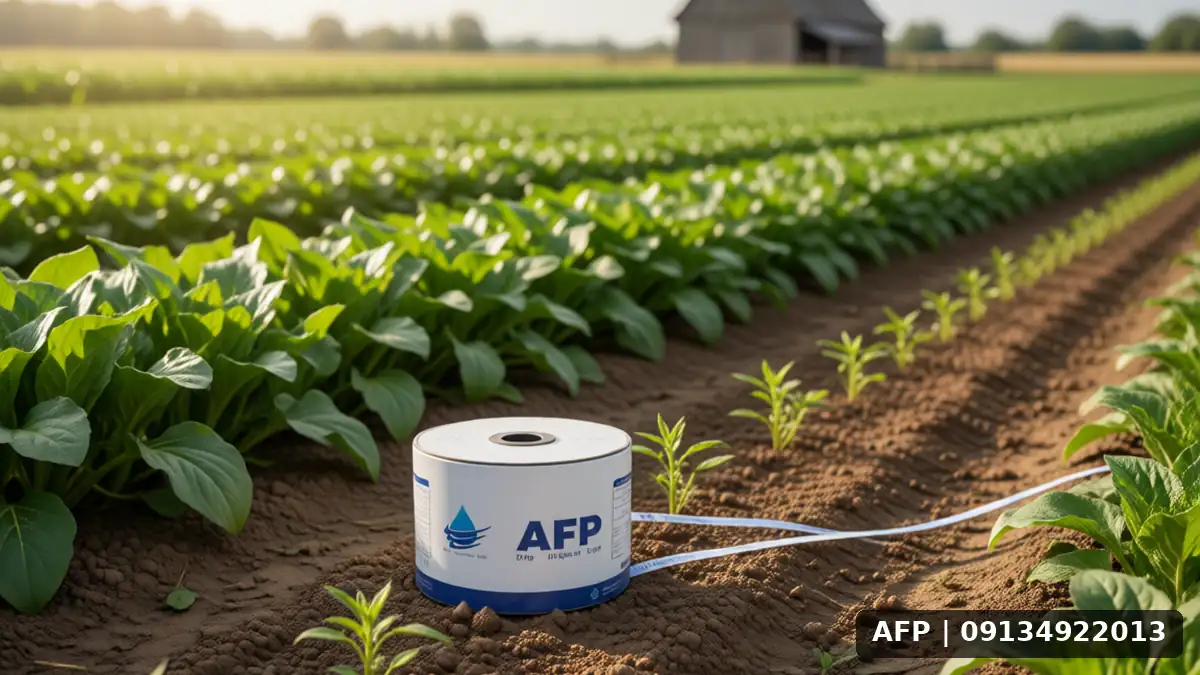
Spinach is a plant with shallow root systems. During planting and weeding, the drip tape can be subjected to significant stress or even torn. An appropriate planting distance from the drip tape (typically 5 to 10 cm, depending on the tape model and diameter) must be maintained to prevent roots from blocking water discharge from the nozzles. Furthermore, prolonged exposure of the tape to direct sunlight causes the polymer material to become brittle. Acceptable soil coverage of the tape does not hinder water discharge but serves as an effective protection against UV.
Practical tips for increasing efficiency and reducing costs
System optimization not only reduces repair costs but also directly affects spinach leaf quality and yield. This section examines several practical strategies.
- Periodic flushing with mild acids: To prevent calcium and iron precipitation, flushing the system with mild acidic solutions (such as citric acid or very dilute hydrochloric acid) at monthly intervals is recommended. This process maintains pH balance inside the system and inhibits the growth of harmful microorganisms.
- Visual inspection of lines: Before starting a new planting season, run all drip tape lines through the farm. Identify and replace small knots, grooves caused by ground movement, or weakened points. Worn-out tapes should be recycled to prevent contamination of soil and crops.
- Managing Water Salinity: Spinach is sensitive to salinity. If using mineral water, use an EC meter to ensure the water EC is below the danger threshold for spinach (usually under 1.5 dS/m). Drip tape can assist in managing salinity, but if the water is highly saline, salt accumulation at the drip tape emitters and around roots is dangerous.
- Irrigation Timing: Irrigate spinach during the cooler hours of the day (early morning or evening) to reduce evaporation. With drip tape, frequent short irrigation cycles (15 to 30 minutes) are better than infrequent long cycles.
Repair and Replacement Solutions
In addition to the above points, familiarity with spare parts such as plastic clamps, coupling clamps, and standard thermoplastic fittings is necessary. Modern drip tape allows for re-connection, which eliminates the cost of replacing the entire line in case of a tear. It is recommended to purchase standard parts that conform to the technical specifications of [link_text: navori tipi ob yari plakdor | href: https://navar-abyari.ir/navori-tipi-ob-yari-plakdor/] to prevent dimensional incompatibilities.
Answers to Frequently Asked Questions (FAQ)
Here are answers to the most important questions spinach producers have about drip tape maintenance:
Is drip tape reusable for the following season?
Drip tapes are generally single-season (one-time use), but some higher-quality models can last 2 to 3 seasons, provided they are carefully collected, washed, and stored in a cool, dry place without mechanical damage. Any tears, severe deformation, or chemical degradation indicate that the tape should not be reused.
How can I detect emitter clogs?
Measure the water flow rate at one end of the tape under constant pressure and compare it with the manufacturer’s reference values. If there is a significant drop in flow, the system requires chemical flushing. Additionally, uneven plant growth along planting lines is a visual indicator of clogs or pressure irregularities.
Does drip tape irrigation contribute to spinach diseases?
If not executed correctly, yes. If water is sprayed onto the spinach leaves instead of reaching the soil (due to very high pressure or tape malfunction), the risk of fungal diseases such as powdery mildew and Alternaria increases. The goal of drip tape is to create moisture in the root zone without wetting the aerial parts of the plant.
What is the appropriate distance between the drip tape and the spinach planting row?
The ideal distance is usually 5 to 8 centimeters. A smaller distance may cause spinach feeding roots to clog the emitters. A larger distance may prevent moisture from reaching deep roots, but the ‘tension effect’ (root movement toward moisture) can bridge this gap. However, precise adjustment based on seed type and soil texture is essential. Reviewing the [link_text: celery drip tape irrigation guide | href: https://navar-abyari.ir/celery-drip-tape-irrigation-guide/] can illustrate similarities in managing leafy vegetables like celery and spinach, although spinach has different irrigation needs.
Summary and Final Recommendations
Using drip tape for spinach cultivation is an investment in precision and yield, but this system is not static and requires continuous care. Adhering to filtration principles, regular chemical flushing, pressure control, and proper tape positioning relative to roots are key to maximizing the potential of this irrigation method. It is important to remember that the quality of water entering the system is the most critical variable; therefore, investing in robust filtration reduces long-term maintenance costs. Producers are advised to study specialized resources such as [link_text: 20cm tip tape iran price guide | href: https://navar-abyari.ir/20cm-tip-tape-iran-price-guide/] to understand detailed technical specifications and the types of tapes available in the market for a more informed selection. Ultimately, combining technical irrigation knowledge with agricultural experience paves the way for high-quality spinach production with minimal water consumption.
Related Articles: drip irrigation tape installation steps ariq, Subsurface irrigation for plants, navori tipi ob yari plakdor, Forage corn yield per hectare: Comprehensive guide to increasing performance and profitability