Cotton Yield Per Hectare with Drip Tapes: A Complete Guide to Production Optimization
Introduction to the importance of water optimization and productivity
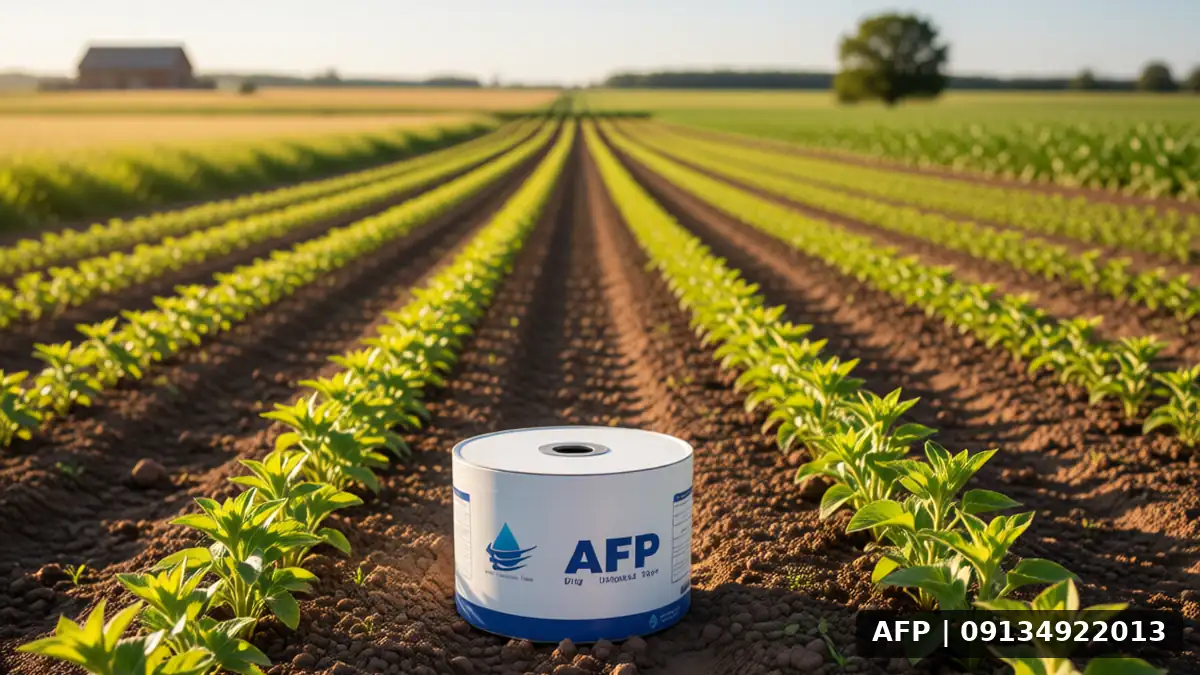
In recent years, farmers’ attention to increasing yield per hectare of licorice has intensified through the use of precision irrigation technologies. Licorice (Glycyrrhiza glabra) is a plant that, in addition to its medicinal value, has widespread applications in the confectionery and food industries. One of the most critical factors determining the performance of this crop is proper water resource management. Tape drip irrigation systems play a central role in achieving optimal efficiency due to uniform water distribution in the root zone and reduced evaporation. In this section of the article, we aim to explain the technical fundamentals to help you understand how selecting appropriate equipment and a sound irrigation schedule can maximize production capacity per unit area. Additionally, understanding the general principles of drip irrigation and tape systems for various locations provides a deeper insight into existing challenges and solutions.
Technical Analysis: The Relationship Between Tape Drip and Increased Licorice Yield
Types of Tape Drip Suitable for Licorice
The choice of tape type directly affects cropping efficiency. For ornamental and medicinal plants such as licorice, tapes with a dripper spacing of 10 to 15 cm are generally better options. This spacing ensures that the active root zone is uniformly moistened. In this regard, the study Types of Tape Drip can be a good starting point for product selection. Each tape type has a fixed flow rate that must match the plant’s water requirements. Furthermore, understanding the subtle differences between various tapes regarding diameter and flow rate is key to preventing water stress in the sensitive roots of licorice.
- Tape drip with 16 mm internal diameter: Suitable for fields with mild slope and high pressure.
- Tape drip with 20 mm internal diameter: Suitable for flat fields with lower pressure.
- Dripper spacing: 10 to 15 cm for complete root zone coverage.
Impact of Root Planting Depth on the Irrigation System
Licorice is typically planted at a depth of 10 to 15 cm. In this case, the tape must be placed exactly at the root depth so that water reaches the root zone directly. This arrangement prevents water from infiltrating to the soil surface and prevents loss. In addition, using tape drip helps maintain appropriate root temperature during hot seasons, which is vital for the growth of licorice rhizomes. Adhering to this depth significantly increases water use efficiency and reduces pumping energy costs.
Irrigation Scheduling Based on Growth Stage
To achieve the ideal per-hectare yield of Morra do not use a static irrigation schedule. The water requirements for Morra during the vegetative stage (before leaves appear) differ from those during flowering and rhizome formation. A dynamic program consists of three main stages:
- Seeding Stage (first 30 days): Light daily irrigation 1 to 2 times to facilitate root establishment and regulate growth rate.
- Vegetative Growth Stage (days 31 to 60): Increase irrigation volume to 2 to 3 times per week based on ambient temperature.
- Product Formation Stage (day 61 onwards): Gradually reduce irrigation intervals to focus plant energy on rhizome production and sugar accumulation.
Practical tips to increase productivity and quality
Soil management and rhizome aeration
Soil suitable for Morra must be well-drained. If a drip line irrigation system is used, the risk of waterlogging is eliminated, but rhizome aeration remains important. It is recommended to till the soil before planting and mix it with organic matter. Additionally, you can use benchmarks such as per-hectare melon yield as a reference model, as many root management principles are shared. These similarities help you better monitor root growth patterns.
Another key point is the correct connection of the drip line to the main hose. If the drip line is not properly connected to the main hose, the pressure will not be uniform, and the terminal zones of the line will remain dry. Use standard fittings and ensure that filters are kept clean after installation. Also, reviewing drip line options with specific or more durable models for farm conditions can increase the system’s useful lifespan.
Drip feeding and fertilization
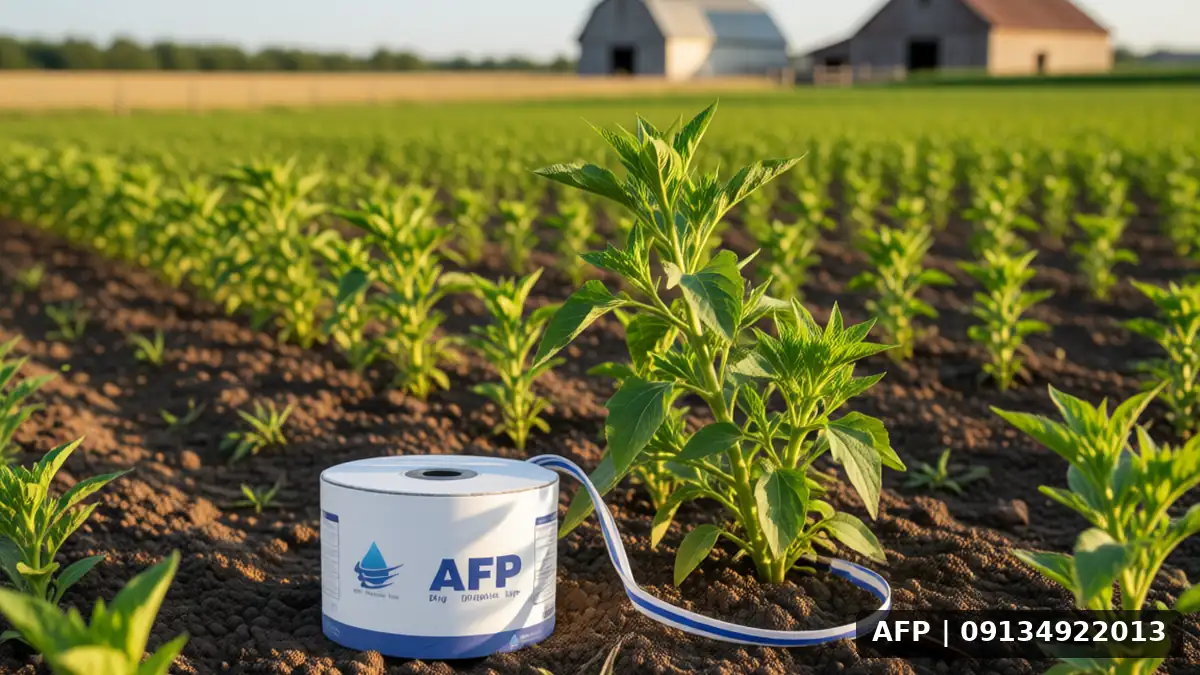
The drip line system is not just for irrigation; it is a powerful tool for plant nutrition. Water-soluble fertilizers can be introduced directly through the irrigation network. This ensures that nutrients reach the roots directly, increasing their absorption. For Morra rhizomes, regular supply of nitrogen and potassium at different growth stages is very important. Additionally, the use of Humic and fulvic acid per hectare application and other beneficial mycorrhizae can significantly enhance root absorption capacity.
- Use nutritional advisory programs to optimize root uptake and reduce nutritional stress.
- Avoid simultaneous mixing of strong acids with phosphorus fertilizers in plastic pipes due to sedimentation.
- Adjust fertilizer dosage based on seasonal soil analysis and precise crop needs.
Root disease management
The moist nature of rhizomes makes them susceptible to fungal diseases. The strip system helps control air moisture above the soil while maintaining optimal soil moisture at the root zone. Avoid frequent waterlogging and use appropriate systemic fungicides if disease symptoms are observed. Root health directly impacts final crop weight and farmer income.
Frequently Asked Questions (FAQ)
1. What spacing should be maintained between asparagus rows and strip lines?
Row spacing is typically 80 to 100 centimeters. The strip line should be placed on the planting line and at the center of the root depth. If using multiple rows, the distance between strip lines must align with the strip coverage width (approximately 20 to 30 centimeters). This layout ensures that the entire root volume is covered by water.
2. Can strip systems be used in all harvest stages?
Yes, strip systems can be used in all stages. However, during harvest, care must be taken to prevent the strip from being damaged when digging up the rhizomes. Repairing or replacing damaged points after harvest is essential for the next planting season.
3. How many meters of strip line are needed per hectare?
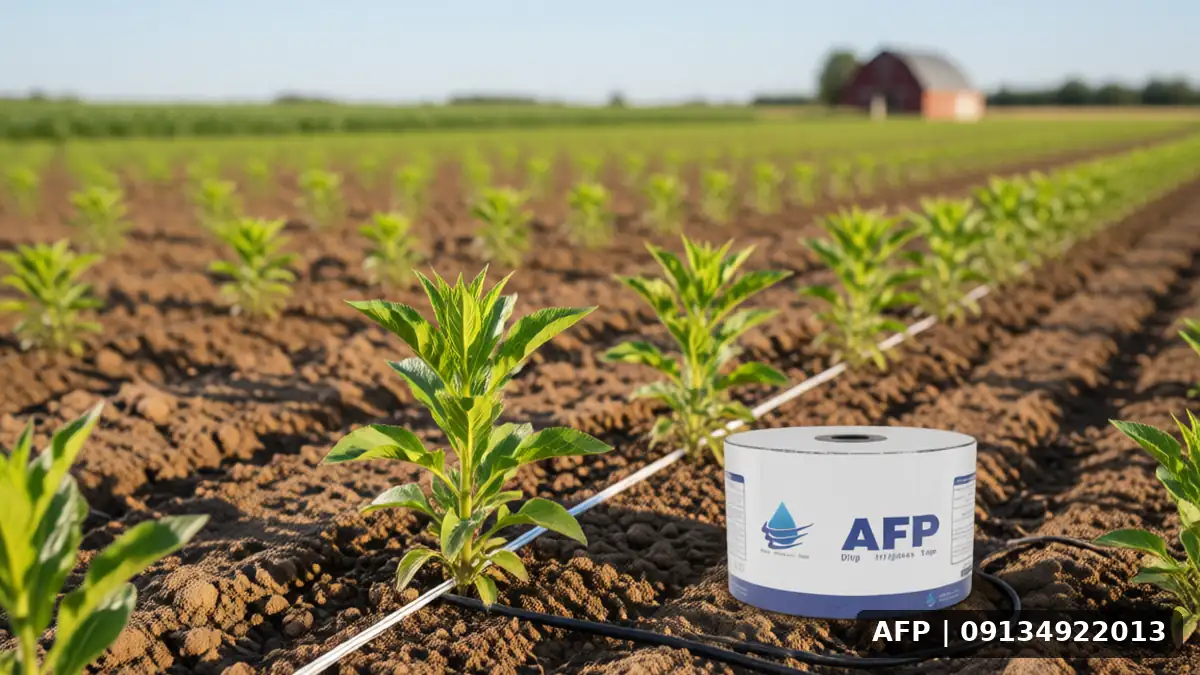
This depends on your planting pattern. Assuming a row spacing of 1 meter, you need one 100-meter strip piece for every 100 meters of row length. Precise calculation is possible based on the final field plan and number of rows. Additionally, refer to specialized articles such as the Asparagus Harvest Guide per Hectare which can provide similar insights regarding planting space and drainage management for deep-rooted plants.
Summary and Next Steps
Achieving Perilla yield per hectare To achieve optimal results, it requires the integration of soil knowledge, selection of appropriate irrigation equipment, and precise nutrient management. Drip tape systems, by creating a permanently moist zone in the root zone, are a cornerstone of this process. For success, be sure to use the comprehensive guide to Muskmelon Drip Tape: Comprehensive Irrigation, Selection, and Buying Guide to avoid common installation errors. Perilla cultivation has high growth potential, and by adhering to drip irrigation principles, you can achieve economic and product quality satisfaction. We recommend focusing more on soil improvement and the use of beneficial mycorrhizae in future years to double plant yield. Also, review Agricultural Collapsible Pipe and other irrigation accessories, which are essential for a complete and sustainable system.
Related Articles: Strawberry Yield Per Hectare: Factors and Methods to Increase It, Quinoa Yield Per Hectare