Basil Yield Per Hectare with Drip Irrigation: A Comprehensive Guide to Cultivation and Watering
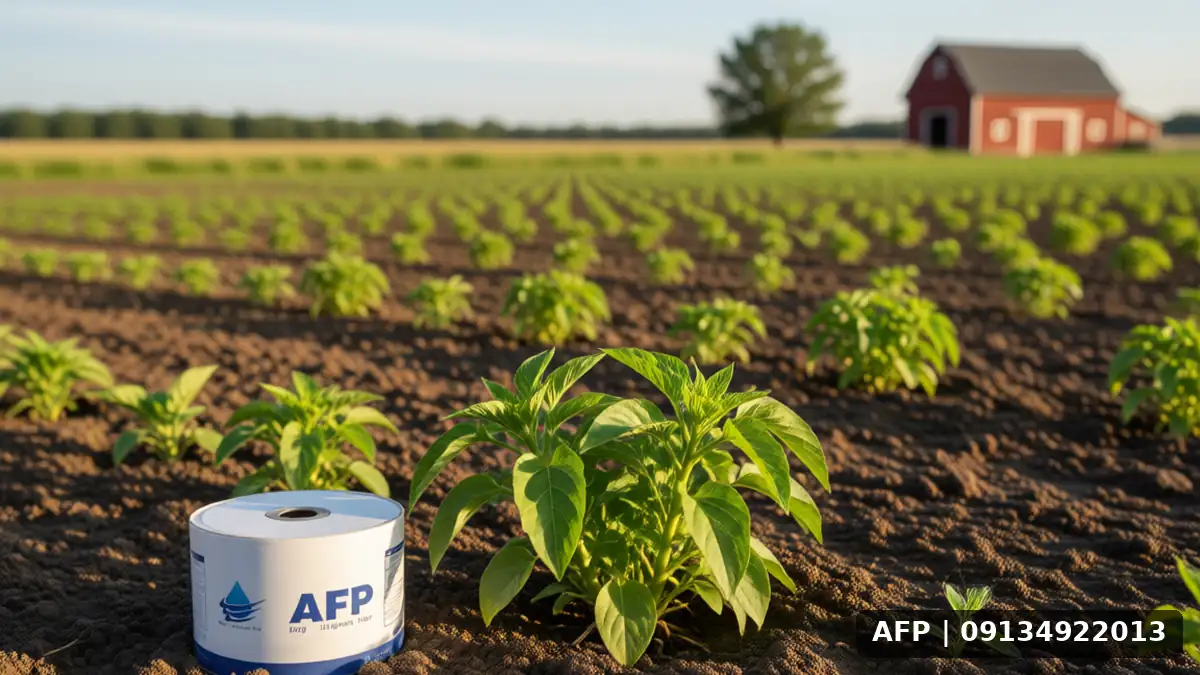
Basil, a plant native to India and Southeast Asia, has secured a special position in global and domestic markets due to its extensive medicinal, sensory, and industrial properties. Success in commercial basil cultivation depends not only on selecting high-quality seeds; precise management of water and fertilizer resources, especially through modern irrigation technologies, plays a vital role in determining basil yield per hectare using tape drip In the past decade, the approach of farmers has shifted from surface irrigation to drip and tape drip irrigation, as these methods not only save water but also create uniform soil moisture at the root zone, promoting uniform growth and increased yield.
The impact of tape drip irrigation systems on basil performance
One of the main challenges in basil cultivation is the plant’s sensitivity to water stress and the need to prevent waterlogging of the roots. Tape drip systems, which combine plastic hoses with emitters that release water in a strip shape, address this challenge. Compared to surface irrigation, tape drip irrigation delivers moisture directly to the root zone. This allows the plant to expend less energy on water uptake and focus more on vegetative growth (leaves and stems) and dry matter production.
Water use efficiency and increased active root surface
Tape drip irrigation optimizes water-soil contact. This means an increase in the volume of moist soil in the fine root zone. Studies have shown that crops under precision irrigation can produce yields up to 30 to 50 percent higher than their surface-irrigated counterparts. For basil, where yield is directly linked to the number and size of healthy leaves, this improvement leads to a significant increase in economic profitability. Therefore, investing in this technology is a way to guarantee basil yield per hectare using tape drip higher, provided all other agronomic conditions are met.
In addition to water conservation, drip tape allows for fertigation. In this method, soluble fertilizers are injected directly into the irrigation water, delivering them to the root zone. This not only improves fertilizer use efficiency but also prevents leaching into deeper soil layers. For more details on the correct selection and installation of tubing, you can refer to the article How to Increase the Efficiency and Productivity of Drip Tape .
<[IMAGE_1]>
Basil Crop and Management Protocol for Yield Optimization
To achieve maximum basil yield, specific protocols must be followed from planting to harvest. Basil is a plant that requires full sun, coarse, well-drained soil, and moderate temperatures.
Planting and Drainage Management
The best time to plant basil in temperate regions is spring. Basil seeds are small and require surface sowing. After sowing, the soil should be carefully bedded and irrigation should begin. It is important to prevent waterlogging, as basil roots are sensitive to oxygen deprivation. In drip systems, proper pressure and flow rate adjustments can prevent excessive water application. Planting green cover crops such as clover or other ground cover plants can help maintain soil moisture. To better understand the impact of cover crops on soil, refer to the study. Seed rate per hectare for green cover crops This can provide a good perspective on managing companion crops and their impact on the seedbed.
Irrigation and Fertilization Management
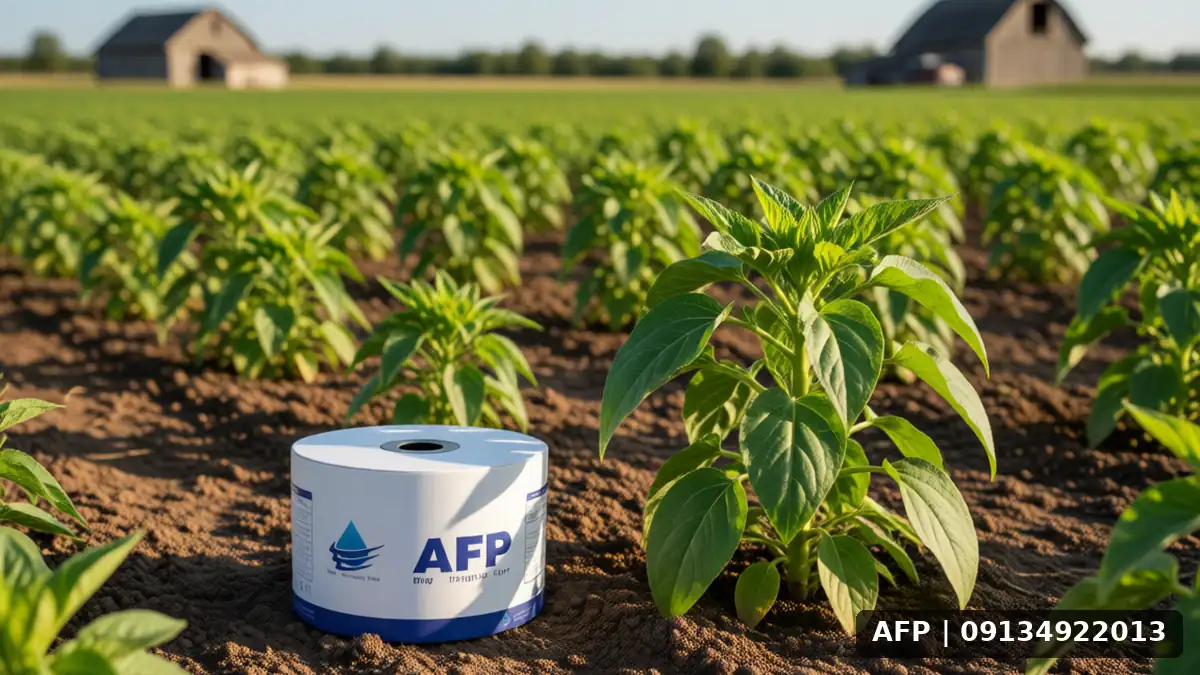
Basil irrigation should be regular and low-volume. In drip systems, this is easily achieved. Basil responds well to potassium and nitrogen, but excessive fertilizer use can reduce its flavor and aroma. It is recommended to use organic fertilizers like compost as a base and liquid foliar fertilizers as a supplement. During the growing season, basil’s water requirements increase, but the soil should not be allowed to dry out and then waterlog; consistent moisture is the key to success.
<[IMAGE_2]>
Production and Product Quality: Yield Determining Factors
Basil production, whether fresh, dried, oil-based, or aromatic, requires strict quality management. Fresh basil should be stored at cold temperatures immediately after harvest. Basil leaves lose their flavor and medicinal properties within a week. Therefore, a regular harvest system and sanitary packaging are of high importance.
Harvesting and Post-Harvest
Basil should be harvested for fresh consumption when the stems are strong and a number of young leaves have opened. The optimal harvest time is early morning, when its fragrance is more concentrated. If the goal is to produce dried basil, the leaves must be separated from the stems and dried in a shaded, dry-air environment. A practical tip that can help increase the overall quality and efficiency of the system is the study of Challenges of basil storage in gypsum soil is; although it concerns another plant, the principles of indoor storage for preserving fragrance apply similarly to basil as well.
Practical tips for successful basil cultivation using drip irrigation
For farmers intending to cultivate basil commercially, adhering to the following practical points can be key to increasing the basil yield per hectare using drip irrigation as follows:
- Planting spacing determination: It is recommended to maintain a plant-to-plant distance of approximately 10 to 15 cm and a row spacing of 40 to 60 cm to ensure sufficient light reaches all stems.
- Multi-season planting: By planting continuously at intervals of 2 to 4 weeks, a consistent harvest period can be achieved throughout the growing season.
- Pest and disease management: Basil is susceptible to soil-borne fungi. To reduce fungal diseases, intercropping with non-host plants, such as adding a quantity of fenugreek seed per hectare + planting and maintenance tips, can be used. These plants do not ecologically conflict with basil and help break pest cycles.
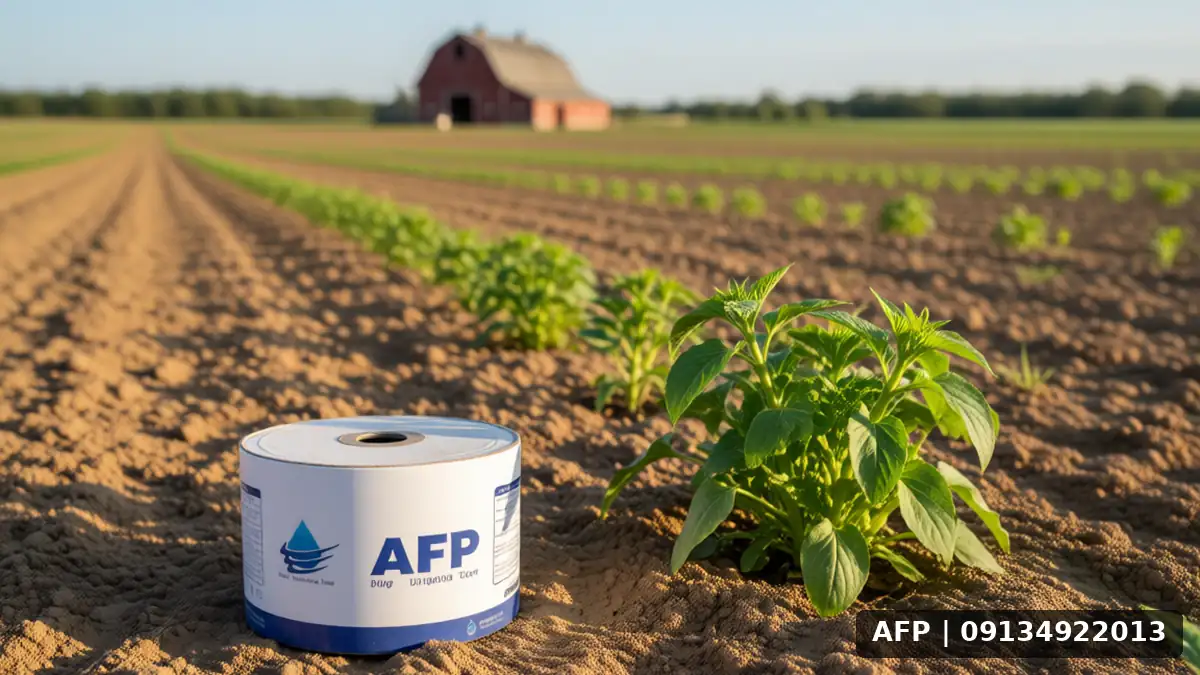
- Irrigation line health monitoring: Inspect drip line nozzles monthly. Clogging of emitter holes with foam or sediment can cause uneven irrigation. Never use Teflon tape to seal nozzles; use wing nuts instead.
- Use of mulch: In hot and dry regions, mulching can reduce water needs by up to 20 percent and maintain soil temperature equilibrium during the day.
<[IMAGE_3]>
Frequently Asked Questions (FAQ)
1. How much water does basil typically require on average?
During the mid-growth season, basil water requirements can reach 4 to 6 liters per day per square meter, depending on the climate. In drip irrigation systems, this amount is divided into 3 to 5 short irrigation sessions per day to prevent excessive saturation.
2. Is drip irrigation suitable for indoor basil?
Yes, drip irrigation is highly suitable for large pots or indoor raised beds. Indoors, precise flow rate adjustment is even more critical because drainage and ventilation are limited.
3. How can I prevent fungal contamination in the soil when using drip irrigation?
By precisely adjusting irrigation timing and volume, you can prevent excessive moisture, a primary factor in fungal growth. Additionally, using beneficial pathogens and selecting a high-quality drip irrigation system can reduce risk. How much does a drip tape cost per hectare?
4. Does basil grow well with other plants?
Basil pairs well with tomatoes, leafy greens, and peppers. These intercropping combinations can help with pest control and optimize the use of light and nutrients.
5. How do I manage basil roots in small pots with a drip line?
For small pots, use nozzles with lower flow rates and closer spacing. Roots should be able to absorb water between the nozzles. Monthly monitoring of the roots is recommended to ensure their health.
Conclusion
On plots of less than 1,000 square meters, commercial basil cultivation can become a profitable business. While selecting high-quality seeds and caring for the plants is important, the drip irrigation system is the key to increasing yield and reducing operational costs. By focusing on the root zone, this system prevents overwatering, allows for precise nutrient delivery, and ultimately allows the farmer to Per-acre basil yield using drip tape maintain a level above conventional standards. By following the practical tips in this article, from planting to harvest, you can produce fresh, healthy, high-quality crops that are in very high demand in local and export markets.
Related articles: parsley yield per hectare increase methods