Trapezoidal Canal Spacing in Melon Cultivation: Recommended Standards
Introduction: The Importance of Drip Line Spacing in Cucumber Cultivation
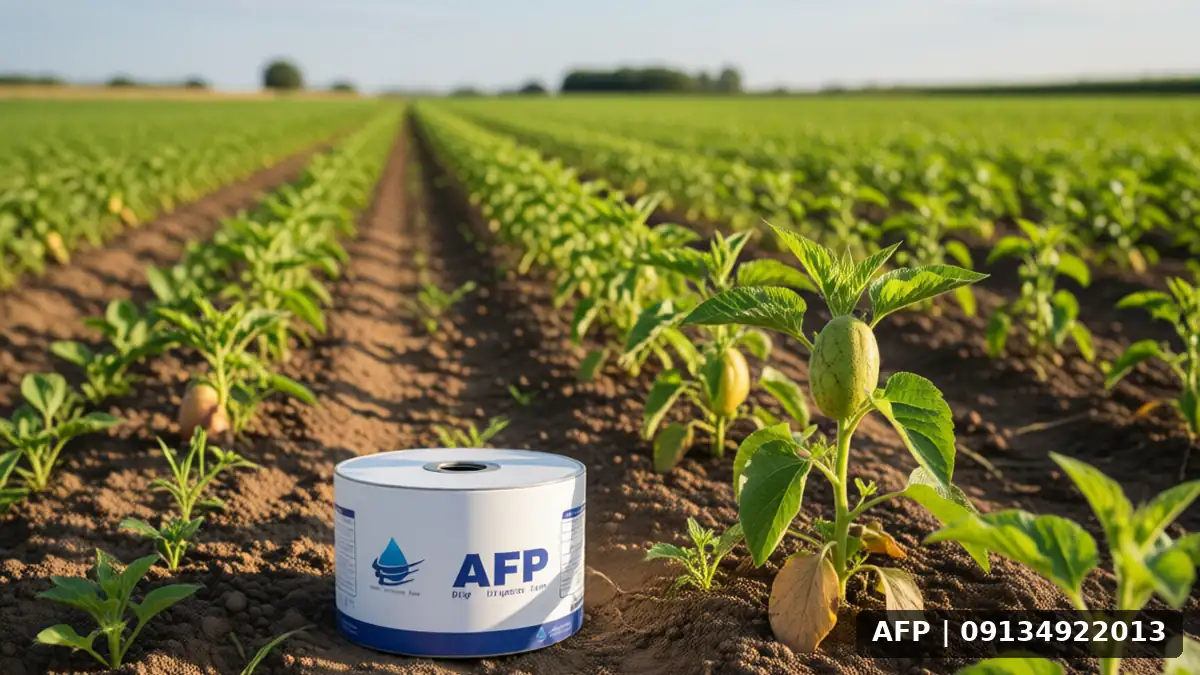
Cucumber, as a high-demand vegetable in the domestic market, requires precise management of water and light resources. The correct selection of drip line spacing and row layout directly affects root access to water, transpiration rates, and ultimately yield per hectare. In modern irrigation methods, drip lines have replaced point emitters, reducing installation costs and ensuring uniform water distribution near the roots.
Additionally, for those in the irrigation system design phase, studying the comprehensive guide on improving drip line performance and efficiency can provide a better understanding of the system’s hidden potential. Below, we examine the technical details and golden standards of this spacing.
Principles of Row Layout and Spacing in Cucumber Cultivation
Recommended Standards for Row Spacing
Determining the spacing between cucumber rows depends on climatic conditions, seed type, and the agricultural system. Generally, a row spacing of 60 to 80 centimeters is recommended. This spacing must allow for the movement of small agricultural machinery and manual harvesting without damaging the plants. If mechanized systems are used, the spacing must align with the tractor or harvester traverse width.
Impact of spacing on root competition and water uptake
One of the main challenges in dense melon cultivation is the competition among adjacent roots for water and nutrient absorption. If drip tape spacing is not calculated correctly, some areas of the soil may remain dry while others become saturated. Because drip tape emits water in a narrow strip along its path, it concentrates the wet-dry zone. Therefore, the center of this wet-dry zone must be directly beneath the location of the plant’s main root system.
Drip tape spacing in melon cultivation: precise standards
Determining the technical drip tape distance from the plant
Unlike some other vegetables, melons have high susceptibility to soil-borne fungal diseases, which can be exacerbated by continuously wet leaves and stems. Therefore, the drip tape should not be placed too close to the plant to prevent the repeated wetting of the stem-soil interface. The gold standard for melons is a distance of 10 to 15 cm from the planting hole. This spacing creates a balance between root access to water and maintaining relative stem dryness.
- 10 cm spacing: Suitable for light and sandy soils where vertical water infiltration is rapid. In this case, roots must reach the wetting zone quickly.
- 15 cm spacing: Suitable for loamy and clay soils where water infiltration is slower. This spacing allows the moist zone to expand deeper, irrigating deeper roots.
Single or dual drip line?
A common question among farmers is whether to use one or two drip lines per plant. In melon cultivation, due to high lateral growth and sucker formation, the use of two drip lines on opposite sides of the plant (10 to 15 cm from each side) is generally more optimal. This layout provides 360-degree radial zone root coverage and prevents the plant from being anchored on one specific side. However, if the row spacing is very narrow, you may need to use a single central line, but in this case, the line flow rate must be higher to ensure adequate coverage.
Practical Points for Installing and Managing Watermelon Drip Tape
Preparing the Seedbed
Before installing the drip tape, the field surface must be properly leveled. Variations in elevation exceeding 2 to 3 centimeters across the field can lead to overwatering in low points and underwatering in high points. If the field has a slope, using pressure gauge plugs at the ends of the lines to adjust system pressure is essential. You can refer to the article on drip tape with pressure gauge plugs which explains the connection of shafts and fittings.
Selecting the Appropriate Drip Tape Flow Rate
For watermelon, the drip tape flow rate is typically recommended in the range of 2 to 4 liters per hour per meter of tape. This rate must be calculated based on the plant’s daily water requirement (approximately 50 to 70 liters per plant at peak growth) and the number of plants per meter of row length. For example, if the plant spacing along the row is 30 centimeters, there are approximately 3.3 plants per meter. With a flow rate of 3 liters per hour, about 1 liter per hour is delivered to the soil per plant, providing 12 liters of water per plant over a 12-hour watering cycle. These calculations must be adjusted according to your soil’s water distribution efficiency.
Line Covering and Light Protection
Polyethylene drip lines exposed to direct sunlight lose their useful life and become brittle. In melon cultivation, where plants start open and become dense over time, it is recommended to use UV-stable lines or to cover the lines with a thin plastic cover or shallow soil mulch in the early stages. As the plant canopy develops, the natural shade from the melons largely protects the lines from direct light. However, in low-yield fields or during hot seasons, maintaining the integrity of the line is vital to protect against rodents.
Frequently Asked Questions (FAQ)
Does the drip line spacing differ in heavy soils?
Yes, in heavy soils with poor drainage, the spacing between the line and the plant should be slightly wider (15-20 cm) to prevent localized waterlogging of the taproot. In light soils, a 10 cm spacing is sufficient because water infiltrates faster and its impact zone is more limited.
Can drip lines be used for intercropping melons and tomatoes?
Using a shared drip line for melons and tomatoes in the same row is not recommended, as the water consumption patterns and disease sensitivities of these two crops differ. It is better to keep the rows separate, with each having its own spacing and flow rate based on specific needs. For more details on irrigation of similar vegetables, you can refer to the article Comprehensive Guide to Drip Irrigation for Cucurbit Crops Study the principles that apply to fruiting vegetables.
What is the best time to install drip tape, before or after planting?
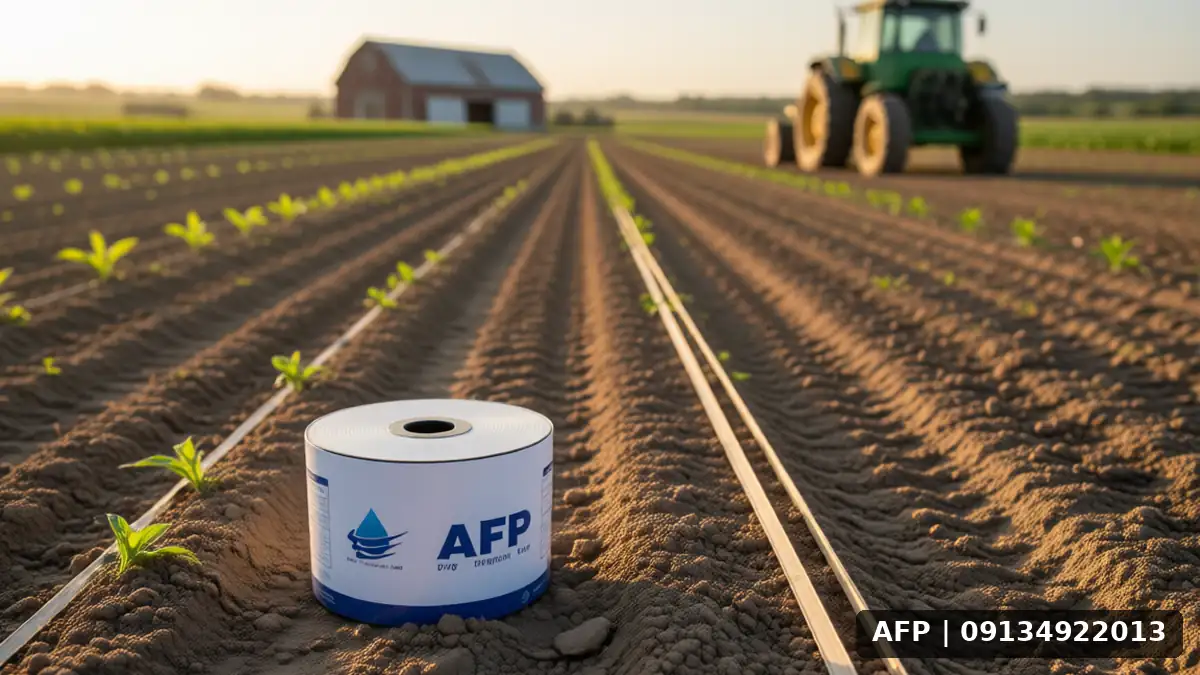
The best method is to install drip tape before planting. This allows for proper furrow formation using a tiller, ensuring full contact between the tape and the soil. Installing after planting can create air gaps under the tape, which may lead to air leaks and reduced system efficiency. The correct installation process in Drip irrigation tape installation method describes the step-by-step connection procedure.
Summary
Achieving optimal yields from melon cultivation requires attention to the engineering details of the irrigation system. Drip line spacing It is not a fixed value but a variable that must be adjusted based on soil type, climate, and crop management. In summary, a spacing of 10 to 15 cm from the plant, with two drip lines, a flow rate of 3 liters per hour, and regular irrigation repetition, is a winning formula that reduces production costs and improves melon rind and flesh quality. By monitoring the health of risers and plugs and following maintenance principles, you can ensure your drip line lasts for more than one season.
For those who wish to combine irrigation system optimization with more focused and improved methods, study Yield of barley and corn per hectare can provide you with a better understanding of the yield differences between vegetables and grains and help in making more economical crop comparisons.