Comprehensive Guide to Planting Camellia with Drip Irrigation
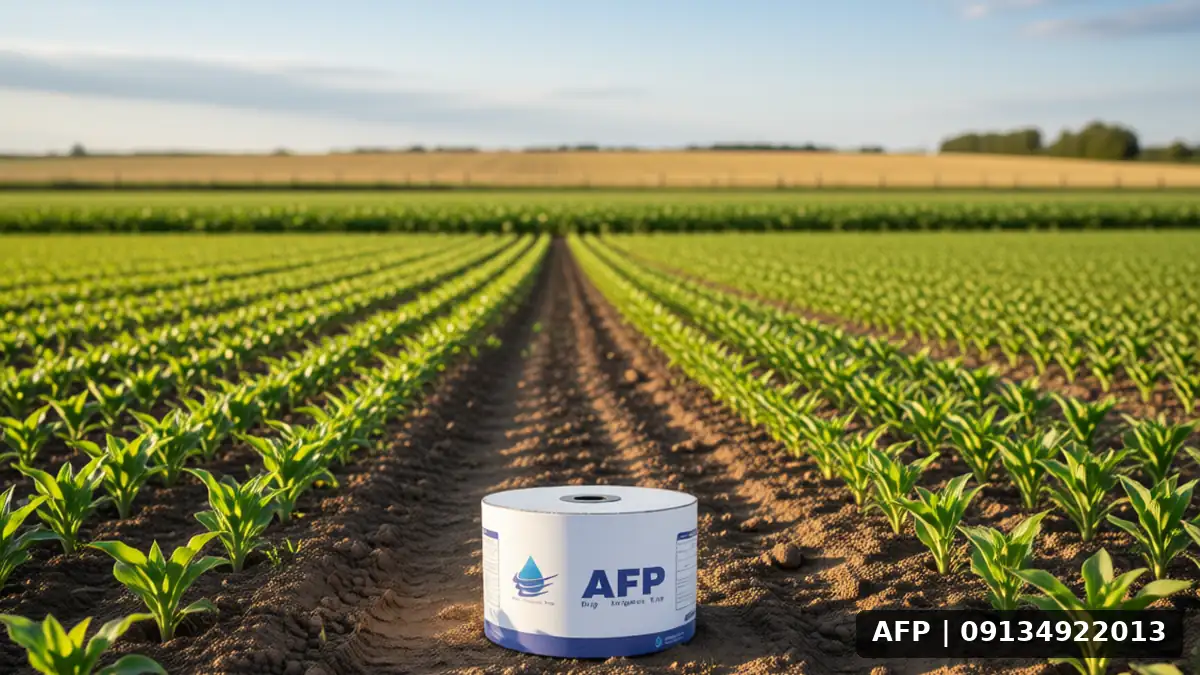
Calynta cultivation has gained greater popularity among farmers in recent years due to its diverse medicinal and food uses. The main challenge in this cultivation is maintaining soil moisture balance and preventing bud drop. The use of drip irrigation or micro-sprinklers is a practical solution to address this challenge. This article explores topics such as row layout, bed gradient, and irrigation scheduling so that farmers can deliver the final crop with minimal loss and maximum yield. By injecting water directly into the root zone, these systems minimize water stress and create uniform growing conditions that are impossible with conventional methods such as flooding.
Row layout and bed preparation
To minimize the use of manual labor and machinery, the layout of Calynta rows is of great importance. The distance between primary rows is usually set between 50 to 60 centimeters to ensure proper ventilation between plants and to help reduce the incidence of fungal diseases through air circulation. The row orientation should be adjusted based on the prevailing wind direction and local agricultural conditions. Additionally, bed gradient plays a vital role in irrigation system performance. Installing micro-sprinklers requires a uniform bed gradient; irregular slopes cause system deviation and increase pump energy consumption. A horizontal slope exceeding 3 percent can lead to water accumulation at lower points and dryness at higher points, resulting in uneven plant growth. Therefore, precise land leveling before planting is the first step to project success. Beyond the slope, soil type also affects the choice of system and drip-line spacing; in sandy soils with low water retention capacity, drip-line spacing should be wider to prevent root waterlogging, whereas in clay soils, closer spacing is more suitable.
Before planting, the soil must be balanced in terms of accumulated salinized salts and pH. Salinity exceeding established thresholds can cause leaf-tip burn in mature Calamintha. Using lime conditioners or compost mixing in saline beds accelerates soil recovery. Precise pre-planting soil analysis helps the farmer apply balanced fertilizers according to specific soil needs and avoids excessive use of chemical fertilizers. This step forms the foundation of a sustainable system that will be completed later with irrigation management.
Drip tape and structural moisture management
Drip tape, due to its small emitters, delivers moisture directly to the primary root zone. This characteristic keeps the bed surface dry, reducing the risk of mold and fungus on basal leaves. For each row, the use of 16 mm diameter tape with 20 cm spacing is recommended. Selecting the correct diameter and flow rate requires precise calculations based on the plant’s daily water needs at peak demand. Insufficient calculations can lead to water stress, while excessive flow rates cause resource waste and root damage. Additionally, the wall thickness of the drip tape must be resistant to operating pressure and environmental pressure to ensure the system’s service life. In hot weather conditions, paying attention to the operating temperature of pumps and tapes is essential to prevent tape deformation.
Irrigation strategy during growth stages
- Germination stage (Week 1): Light and very frequent irrigation (twice daily) to fill voids in the root zone. In this stage, roots are very delicate and have very low tolerance to water stress.
- Vegetative growth stage: Reduce the frequency to once per day with a larger volume. The main objective at this stage is to supply water for rapid biomass increase.
- Flowering stage: Avoid severe drought stress. Bud drop at this stage is often caused by water deficiency in the solution. Stabilizing moisture is the most critical factor for grain formation at this stage.
Because drip systems operate at low pressures, it is necessary to take measures to prevent the ingress of excess water from the substrate by following correct installation tips. The use of pressure regulators on transfer pipes prevents pressure drop and flow rate inconsistency along the row. These settings must be periodically inspected by an irrigation engineer to prevent deviation from the desired flow profile.
Irrigation Schedule
Fertigation management with drip tape
Combining soluble fertilization with drip irrigation is one of the advantages of this system. Using nitrogen-based fertilizers at the beginning of the cycle and increasing phosphorus during flowering boosts system yield. Similar to what in Seed quantity per hectare: influencing factors and optimization methods As recommended, attention to fertilizer concentration is important to avoid stem burning. Over-dilution of fertilizer increases costs without generating desired yield. Also, monitoring the pH of the fertilizer solution in the irrigation system is necessary to prevent salt deposits in drippers. This process must be performed weekly by a phyto-temetic expert.
Practical points for large-scale crops
- Use an appropriate filter (80-120 mesh) to prevent clogging of drip tape emitters. Filter quality directly affects the useful life of the tapes.
- Fully cover the bed with mesh or plastic for the first time to reduce water waste. This also prevents the growth of weeds that compete for nutrients.
- Monitor pump output pressure: a drop in pressure indicates system blockage. Recording daily input and output pressure helps in early detection of system performance degradation.
Awareness of local weather conditions is essential; for example, in conditions of cold nights, there is a risk of basal rot. In these conditions, irrigation should be done in the morning so that the bed dries out by evening. This approach is similar to management Barley silage tonnage per hectare: influencing factors + method to increase This requires precise monitoring of environmental conditions. Integrating meteorological data with the irrigation schedule yields optimal results.
Frequently Asked Questions (FAQ)
Is drip tape suitable for all climates for complete plantings?
Yes, but in high-wind areas, the bed must always be protected with mesh to prevent the tape from tearing. Additionally, in very humid regions, greater attention must be paid to bed drainage to prevent continuous waterlogging.
How can we prevent drip tape from being damaged by intense light?
Tapes should be positioned 2 to 3 centimeters below the soil surface or cover layer to avoid direct exposure to UV radiation. If using crop cover, ensure the cover prevents direct light from reaching the tape surface.
Conclusion
The structure of modern irrigation methods for farmland demonstrates that maximum efficiency is achievable only through precise root-zone control. Implementing installation principles, slope adjustment, and irrigation scheduling during sensitive plant growth stages is the key to obtaining a uniform and high-quality harvest. To better understand the design principles of irrigation systems on a per-hectare basis, it is recommended to study the Related article Related article Related article Related article D8AFD8B1 Related article guide. Additionally, for farmers interested in comparing this with other products, the pepper drip tape irrigation guide tajik farmers reference is another useful source that describes common and specific drip irrigation points.
[[[IMAGE_3]]}
Related content: Tubing installation steps, modern irrigation methods for farmland