Comprehensive Guide to Onion Cultivation Using Drip and Tape Irrigation
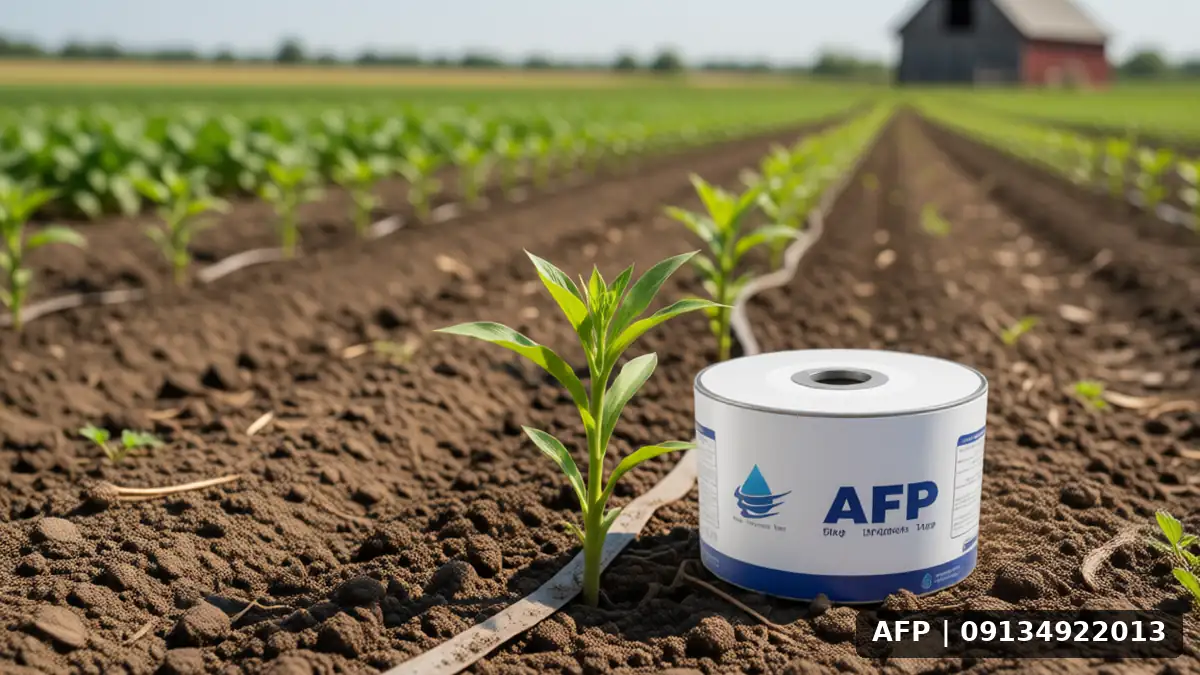
Vegetable cultivation, especially of sensitive and modern crops such as endive (Chicory or Cichorium intybus), requires special care in water resource management. Drip irrigation systems and the use of tape lines are among the most effective solutions that can increase water use efficiency and improve final crop quality. By supplying water drop by drop at the root zone, these methods reduce drought stress and promote uniform root growth. In this guide, we aim to examine the entire process, from initial land preparation to harvest, in full detail so that farmers can develop a comprehensive strategy for endive cultivation with drip irrigation. The importance of this is even more pronounced under Iran’s climatic conditions, where we face water scarcity. Therefore, choosing the correct irrigation system is not just a technical option but an economic and ecological necessity for maintaining farm sustainability.
Selection and installation of appropriate irrigation tapes for endive cultivation
For success in endive cultivation, choosing the right type of irrigation tape is crucial. You can use seam-welded or plate-type tapes, but for vegetables with sensitive root depth like endive, plate-type tapes with shorter emitter spacing often perform better. The spacing between emitters should be adjusted based on row spacing. Typically, a spacing of about 10 to 20 centimeters is ideal for dense endive planting. The main difference between these two types of tapes lies in the connection structure and pressure resistance; plate-type tapes generally have a longer working life and are less prone to deformation from water pressure and sunlight. If you are looking for ways to increase the durability and service life of these tools, careful study of tape maintenance principles is very key. You can search for the guide to Extending the service life of irrigation lines Find practical operational strategies to minimize equipment wear. This is particularly important in fields that remain continuously active throughout different seasons of the year. Additionally, the material used to manufacture the line (such as PVC or PE) directly affects its useful life and resistance to UV radiation.
Correct installation of the lines should coincide with planting. Lines can be placed parallel to the crop rows or at an angle relative to them. For dill, it is recommended that lines be placed exactly parallel to the planting rows to ensure uniform water distribution along the row. Ensure the lines do not become buried in the soil; it is better to place them on the soil surface or slightly beneath it (with protection) to prevent damage and clogging. If placed below the soil surface, the burial depth should not exceed 15 to 20 centimeters, as greater depths make internal cleaning and flushing difficult. Another important point is ground slope; if the field is sloped, lines must be installed in a way that maintains uniform pressure distribution to prevent water accumulation at the lower end and water shortage at the upper end.
Timing and Layout of Planting Methods (Dill)
Determining the optimal time for planting dill depends directly on the climate type, but the general principles are as follows:
- Spring planting: From early to mid-spring, timing is suitable for the plant to establish growth before the severe heat of summer. During this period, drip irrigation should start at a mild intensity so that newly formed roots do not suffer shock. Additionally, night and day temperatures should be monitored to prevent the plant from growing too fast before the root system is ready.
- Autumn planting: For regions with mild winters, autumn planting is a suitable option. In this case, irrigation amounts should be reduced during the colder months, but complete cessation is not recommended. In cold regions, autumn planting requires the use of mesh plastic or straw mulch for temperature protection.
Planting drip-irrigated crops requires precision in row spacing. Typically, a row spacing of 40 to 50 cm and an in-row seed spacing of 15 to 20 cm are recommended to achieve optimal density. The use of seeds or root pieces depends on the variety, but in either case, the drip system must be activated immediately to prevent the seed or small cuttings from drying out. Appropriate density not only affects yield per hectare but also plays a role in pest and disease management. Excessive density causes competition for light and nutrients and reduces root quality. Therefore, precise adjustment of planting distance based on the water delivery capacity of the tape lines is one of the most important engineering factors in this process. The farmer must calculate before starting planting how many liters per hour will reach each plant, considering the row width and the number of emitters.
Irrigation Schedule in Growth Stages
The two main growth stages (the vegetative stage and the material accumulation stage) have different requirements.
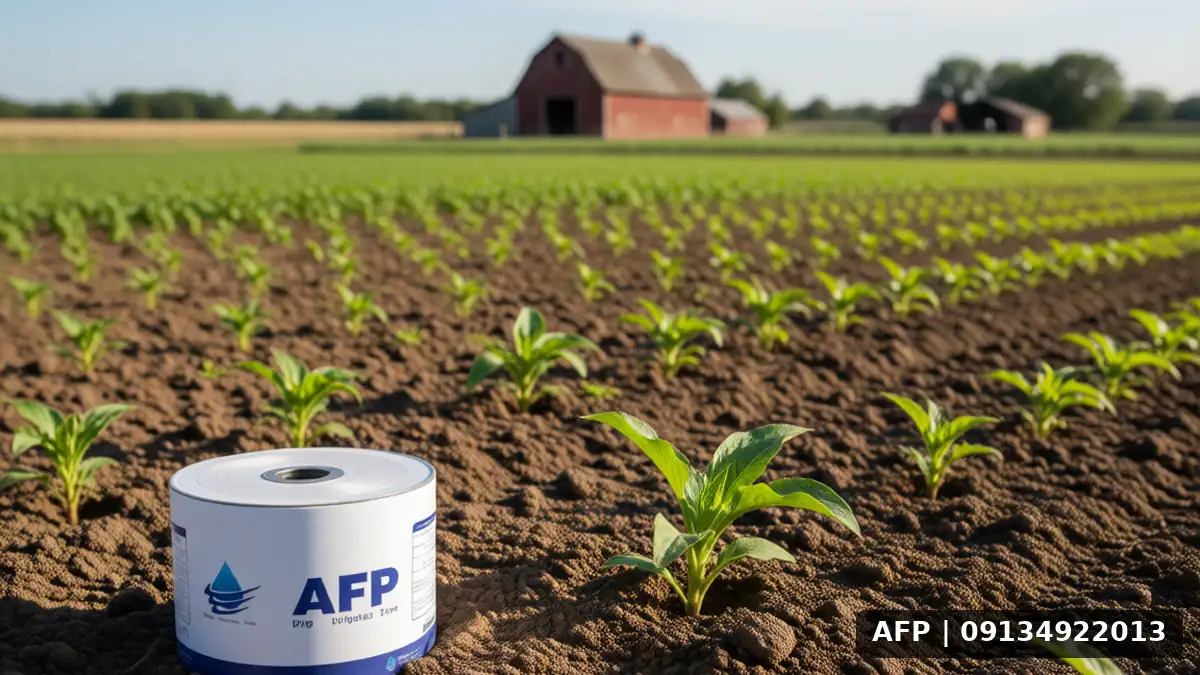
- Vegetative stage (first 4 to 6 weeks): In this stage, the plant requires regular and moderate water. Irrigation every 1 to 2 days with a low amount (e.g., 2 to 3 liters per hour per emitter) is recommended. The goal is to maintain moisture in the surface roots. Rapid leaf growth in this stage requires consistent soil moisture, and even a noticeable water deficit can lead to leaf curling and reduced nutrient uptake.
- Storage stage (root bulking): Late in the growth cycle, as the shroud begins storing sugars, water requirements decrease. Drip irrigation every 3 to 4 days helps concentrate sugars in the roots and enhance sweetness. Excessive water can cause the roots to swell and result in a less sweet flavor. This is a critical stage requiring precise soil moisture monitoring to prevent abnormal sweetness or root rot.
Always measure soil moisture by hand or with a moisture meter before irrigating. Drip irrigation allows control over droplet intensity by adjusting pressure. Soil type (clay, sandy, loamy) also affects water retention. In highly permeable sandy soils, increase irrigation frequency and decrease volume per application to prevent leaching beyond the root zone. For clay soils, apply water less frequently with larger volumes. Using air thermometers and soil thermometers to monitor soil temperature is useful for precisely scheduling irrigation times (preferably early morning or late afternoon).
Practical tips for managing drip irrigation in shoud farms
Optimizing a drip irrigation system is not limited to installing the lines; it also involves ongoing management. Below is a review of the key practical tips:
- Managing line clogging: Water contamination with mineral or biological deposits can clog emitters. Using an appropriate filter (such as a mesh or sand filter) at the system’s inlet is essential. Periodic flushing of the lines is also recommended. To better understand how to extend the system’s operational life, read the article Extending the operational lifespan of irrigation tapes would be beneficial. Flushing of the tapes should be performed using low-concentration chlorine or citric acid to dissolve mineral scale deposits. Never use strong alkaline cleaning agents, as they will damage the tape walls.
- Weed Control: Drip irrigation, by irrigating only the root zone, can promote weed growth. Use light plastic mulch cover or apply high-precision herbicides for control. For comparison with other irrigation methods, you may also consider subsurface irrigation, but for spinach, drip irrigation is more efficient. Non-transpiring crop cover reduces surface evaporation and retains moisture in the root zone. The choice of mulch (black or green) affects soil temperature and the growth of non-target weeds.
- Moisture Monitoring: Using soil moisture sensors or manual methods (such as the cup test) helps you adjust irrigation scheduling more accurately. You should not rely on general visual observations; instead, act based on soil data. Installing smart sensors at depths of 10, 20, and 30 centimeters below the soil surface can provide more accurate data for automatic water supply controllers. This continuous monitoring prevents over-irrigation and energy waste from pumps.
Frequently Asked Questions (FAQ) About Spinach Drip Irrigation
- Can generic irrigation tapes be used for other vegetables as well?
Yes, the general principles are similar, but spacing and irrigation intensity must be adjusted based on the specific crop requirements. To better understand the differences, you can refer to planting guides for other crops, such as carrot seeding rates, as each plant has specific needs. Carrots also require deep roots, and a drip system with appropriate emitter spacing can be ideal for them as well. - What is the optimal in-row seed spacing for dill when using drip irrigation?
An in-row seed spacing of 15 to 20 centimeters and a row spacing of 40 to 50 centimeters generally provides the best balance between plant growth space and water use efficiency in line irrigation. If the soil is sandy, you may need to slightly increase the seed spacing to reduce root competition. - Can fertilizer be applied to dill via the drip line?
Yes, fertigation through drip lines is highly efficient. Use soluble fertilizers at low rates to prevent burning sensitive roots. This method promotes faster nutrient uptake and increases final yield, as noted in the guide for Dry yield increase similar principles for nutrient management are also mentioned. Fertilization programs should be based on soil and leaf analysis to prevent nutrient leaching and groundwater contamination.
Conclusion
Using drip and tape irrigation for leek cultivation is a scientific and optimized approach for modern agriculture. By following planting layout principles, precise irrigation scheduling for each growth stage, and proper equipment maintenance, you can better conserve water resources and supply a higher quality, sweeter product to the market. The key to success is continuous monitoring and adapting the irrigation schedule to local climatic conditions. By following this guide, you have taken a significant step toward sustainable and productive farming. Additionally, familiarizing yourself with other by-products such as mustard can broaden your perspective on managing intercropping cycles and optimizing land and water use in modern agriculture. The combination of irrigation science with precise soil management guarantees the long-term profitability of your farms.
Related articles: Leek yield per hectare, What is flood irrigation? Features and drawbacks