Pest and Disease Management in Drip and Tape Irrigation Systems
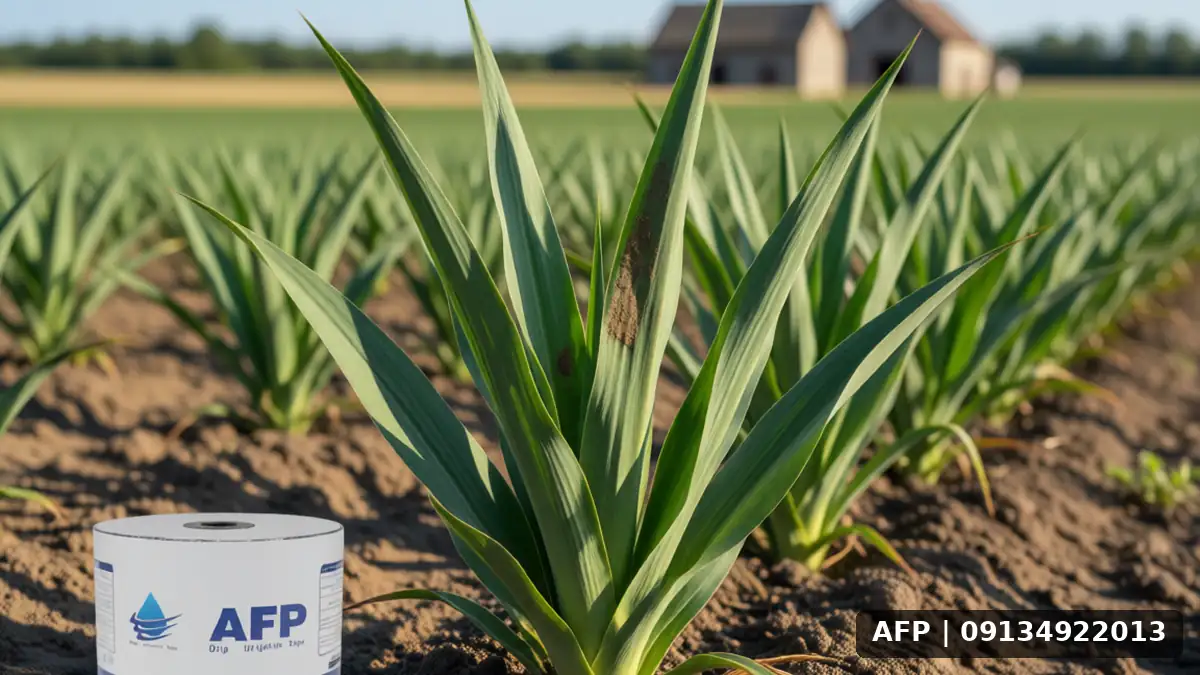
Narcissus is a strategic crop in Iran that plays an important role in compensating for water deficits and plant nutrition. Success in Narcissus production depends on the precise management of abiotic and biotic factors. Narcissus pests and diseases with drip irrigation This is a critical subject that, if not managed properly, can lead to severe economic losses. Drip irrigation and tape irrigation play a key role in preventing certain fungal and fungal diseases by reducing soil surface moisture and better managing water quantity. The following section provides a technical examination of the effects of these irrigation systems on Narcissus plant health.
The impact of drip irrigation on the prevention of Narcissus fungal diseases
One of the biggest challenges in Narcissus cultivation is susceptibility to root and bulb rot due to excess moisture. Fungi such as Fusarium and Pythium are most active under conditions of root hypoxia and high soil moisture. Using drip irrigation, moisture is controlled only within the root zone and around the laterals, keeping upper soil surfaces drier. This prevents mold on young sprouts and reduces stress on the plant’s immune system. Furthermore, the ability to inject water with soluble compounds through the irrigation system offers an effective method for micronutrient feeding and strengthening plant resistance to biotic stress.
Chemical and biological pest management in tape irrigation systems
Control of Nematodes and Soil-dwelling Insects
Soil pests, such as ground beetles and nematodes, feed on Narcissus roots and bulbs. In surface irrigation systems, uniform moisture throughout the soil depth creates an ideal environment for the survival of insect larvae. However, in tape irrigation with precise water volume regulation, dry zones can be created in the soil where soil-dwelling insects survive less well. Additionally, the ability to apply soil-applied pesticides or root-focused insecticides through the drip system enables more uniform distribution. Using advanced injection systems places precise doses of active insecticidal ingredients in the root zone, thereby increasing efficacy and reducing total pesticide consumption.
Fungal Diseases and Leaf Spots
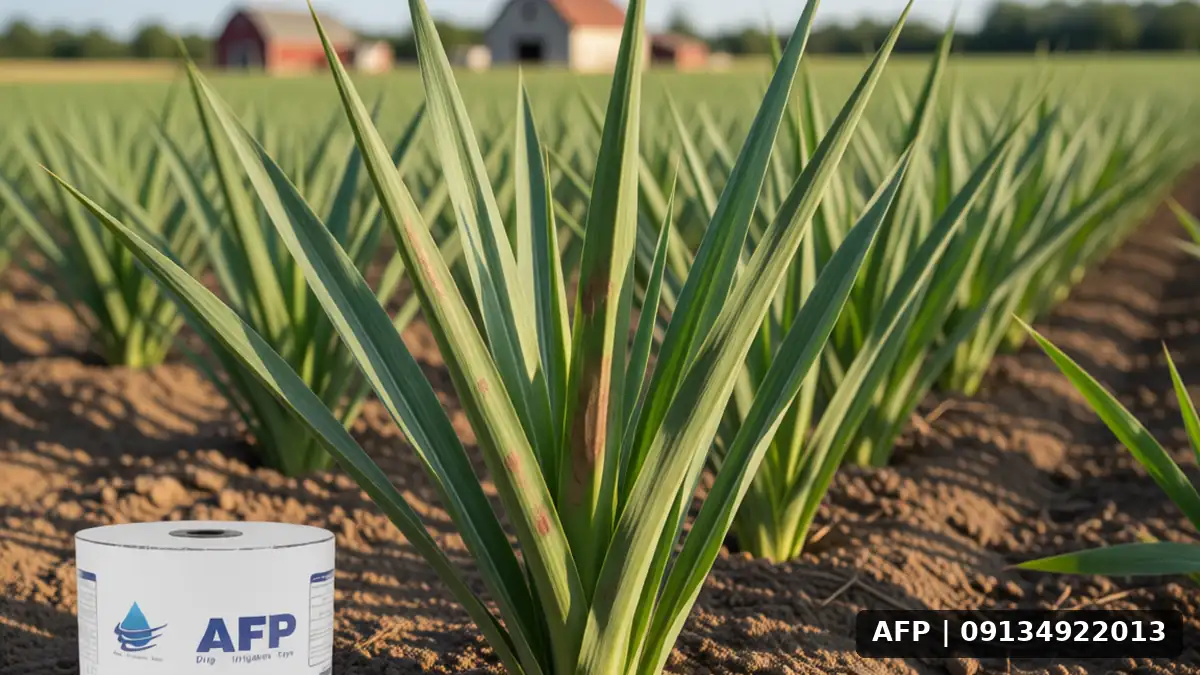
Although cuticular and leaf pests and diseases in Narcissus are less documented, humidity in the air around the plant (vapor pressure deficit) under improper irrigation conditions can lead to fungal leaf spots. Drip irrigation significantly reduces the risk of cuticular diseases by minimizing water vapor from the soil surface and lowering relative humidity. This feature is particularly important in humid and equatorial regions where Narcissus is cultivated in specific seasons.
Practical strategies for utilizing drip irrigation in pest control
- Pre-cropping and soil amendment: Before installing the drip system, use a harrow and soil amendment to reduce populations of pathogenic fungi. Once the soil is amended, the drip system helps maintain optimal moisture and prevents the re-emergence of pests.
- Waste and intercrop management: Keep plant waste, which can serve as a pest host, away from the tip lines. In drip systems, the space between rows can be used to plant intercropped plants (mixed species) that act as natural pest control. This method helps manage harmful insects without increasing pesticide usage.
- Visual monitoring and temperature sensors: Install one soil moisture sensor for every 10 meters, and use daily visual monitoring of roots and nodes for rapid identification of disease symptoms. Early detection enables quick decisions for pesticide injection via the drip system.
- Timing of pesticide injection: Conduct pesticide injection through the drip system during times of least insect activity (e.g., at night). This improves the plant’s absorption of the pesticide and reduces side effects. For more information on pesticide and irrigation management, refer to Types of irrigation lines and their performance.
Data Analysis: Impact of the irrigation system on damage levels
The table above shows that advanced drip systems not only reduce disease risk but also help improve pesticide efficiency. This leads to lower pesticide costs and increased final yield. To learn how to calculate planting density, which directly affects root density and pest susceptibility, read the guide on sugar beet yield per hectare + influencing factors. The more logical the density, the more space for root growth and pest resistance.
Frequently Asked Questions (FAQ)
Is drip irrigation suitable for all climates?
Yes, but with specific precautions. In very hot and dry regions, drip systems are the optimal choice as they reduce evaporation. In humid regions, drip tape systems may be sufficient unless the risk of fungal diseases is very high. In both cases, adjusting pipes and loop spacing is important.
When should we use pesticides through drip irrigation?
Only when early signs of pests or diseases are detected, or preventively from mid-spring. Using pesticides before accurate identification can be harmful and costly. Always use approved pesticides in accordance with Ministry of Agriculture guidelines.
Does the drip system require continuous cleaning?
Yes, drip pipes require regular cleaning to prevent clogging and ensure fertilizer application. Clogged pipes can cause uneven moisture distribution, resulting in irregular growth and increased pest susceptibility. For guidance on the types of pipes used, the article Agricultural Flexible Pipe: Comprehensive Guide to Purchasing and Applications Read it.
Conclusion and Final Recommendations
Management Sugar Cane Pests and Diseases with Drip Irrigation It is a multi-stage approach involving monitoring, soil amendment, and the use of advanced irrigation technologies. Drip and band irrigation are not only solutions for water conservation but also effective tools for reducing disease risk and increasing pesticide efficacy. By following practical recommendations and conducting continuous monitoring, you can minimize damage and produce higher-quality sugar cane crops. To learn about optimizing planting density for sugar cane and sweet sorghum, also review the camellina yield per hectare guide. Success in sugar cane production is a combination of technical knowledge, precise resource management, and the utilization of state-of-the-art technologies.
Related Articles: alfalfa seed rate per hectare guide, Sweet Sorghum Yield per Hectare + Influencing Factors