Garlic Pests and Diseases in Drip Irrigation: Practical Strategies to Boost Yield and Minimize Damage
Introduction to the Role of Drip Irrigation in Garlic Plant Health
Garlic is one of the most important greenhouse and open-field crops that is highly sensitive to soil moisture conditions. One of the main challenges for garlic farmers is managing pests and fungal diseases, which often originate from water and excess moisture. In this section, we will show how the use of systems Surface lighting alongside drip irrigation technology can optimize the garlic growing environment. Instead of flood irrigation, which wets the hulls and creates moisture in the air around the plant, drip irrigation directly targets the root zone and prevents water from splashing on the bulbs. This method not only reduces losses caused by fungal diseases but also curbs the excessive growth of weeds and soil-dwelling pests that depend on a moist environment. To better understand planting density and its effect on pest density, you can refer to garlic seed quantity per hectare .
The Impact of Controlled Moisture on Garlic Fungal Diseases
Fungal diseases, including garlic rust, white rot, and brown spot, proliferate under conditions of high relative humidity and wet foliage. Drip irrigation systems interrupt the fungal growth cycle by reducing leaf surface moisture. However, this is only part of the solution; chemical and biological management are also necessary. If you use legacy sprinkler irrigation systems, the likelihood of infection via water droplets multiplies. In contrast, Types of irrigation systems Modern systems allow us to deliver fungicides or nutrients directly to the root zone via fertigation. This strengthens the plant’s immune system. When a plant is robust, its resistance to aphids and soil-dwelling flies, which vector certain diseases, increases. Additionally, reduced water requirements lower overall pest control costs, making the final produce more attractive in the market.
The role of band drip systems in controlling damping-off and root rot
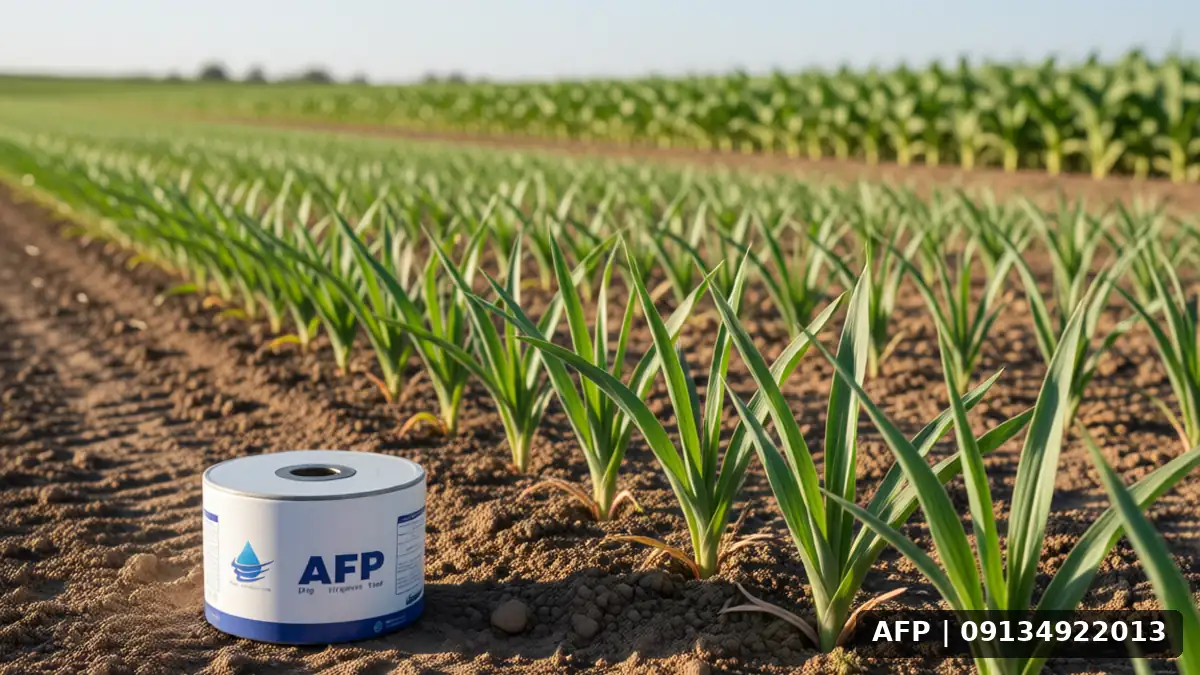
Damping-off in garlic is one of the most common pests affecting this crop, spreading more rapidly in high soil moisture and dense planting. Using band drip lines placed directly under the plant root zone ensures moisture is retained only in the root zone while the soil surface remains dry. This surface dryness prevents the germination of damping-off spores and the development of larvae. Many farmers have found that using Advantages of band drip irrigation placed beside the planting furrow that by redirecting moisture away from pest migration paths, damage caused by weevils and damping-off is significantly reduced. Furthermore, precise water control prevents soft root rot, a disease common in heavy, wet soils.
Bacterial pests such as garlic smut and mosaic viruses also exploit the vulnerability of weakened plants. When garlic is under water stress (either deficit or excess), its defense system is compromised. Drip irrigation, by maintaining stable root zone moisture, reduces plant stress. This stability allows the plant to direct its energy toward yield production rather than repairing cells damaged by rot. If bacterial disease symptoms are observed, the use of high-precision filtration systems in drip irrigation is critical to prevent suspended waterborne pathogens from entering the root zone. Additionally, antibacterial agents can be applied through foliar sprays in conjunction with drip irrigation. For information on appropriate planting density, which itself is a preventive measure against pest density, refer to the table Triticale planting density which can serve as a model for comparing spacing in forage crops, although similar principles apply to brassicas.
Interference with thrips and whiteflies
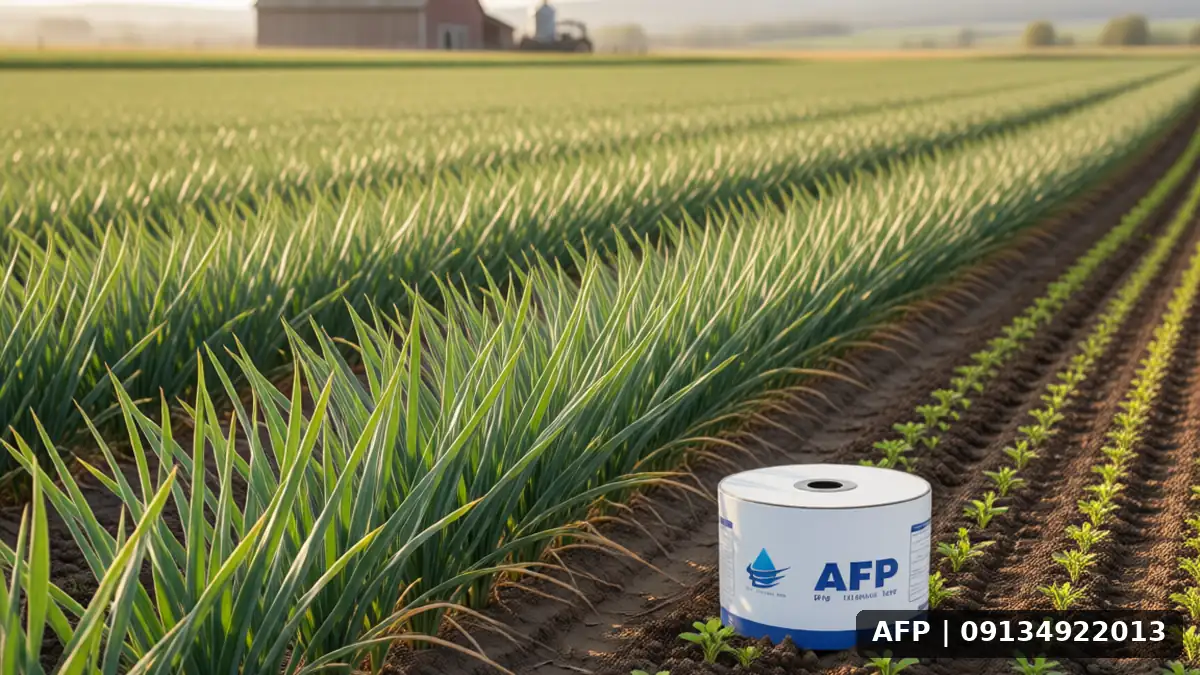
Whiteflies and soil-dwelling thrips often require soil moisture for egg-laying. In drip irrigation systems, moisture is concentrated in the root zone and does not spread across the entire soil bed. This uniform distribution of moisture prevents pests from selecting the drier areas between rows for survival. Consequently, pest population density decreases. Furthermore, the high clarity of pressurized systems allows for the addition of systemic insecticides to protect plants from within. This method is less likely to induce pest resistance compared to repeated surface sprays. For farmers looking to combine sequential crops, familiarity with carrot seed rate per hectare And managing its pest load can also effectively contribute to crop rotation planning and breaking pest life cycles in garlic.
Practical tips for reducing secondary diseases with drip irrigation systems
- Adjusting irrigation intervals: For garlic, short and consecutive irrigation sessions are better than long and intermittent ones. This prevents complete root zone drying and excessive bulb moisture.
- Monitoring filters: Screen or disc filters should be checked weekly to prevent clogging of emitter holes and uneven pressure distribution. Imbalanced pressure causes uneven plant growth and increased susceptibility to pests.
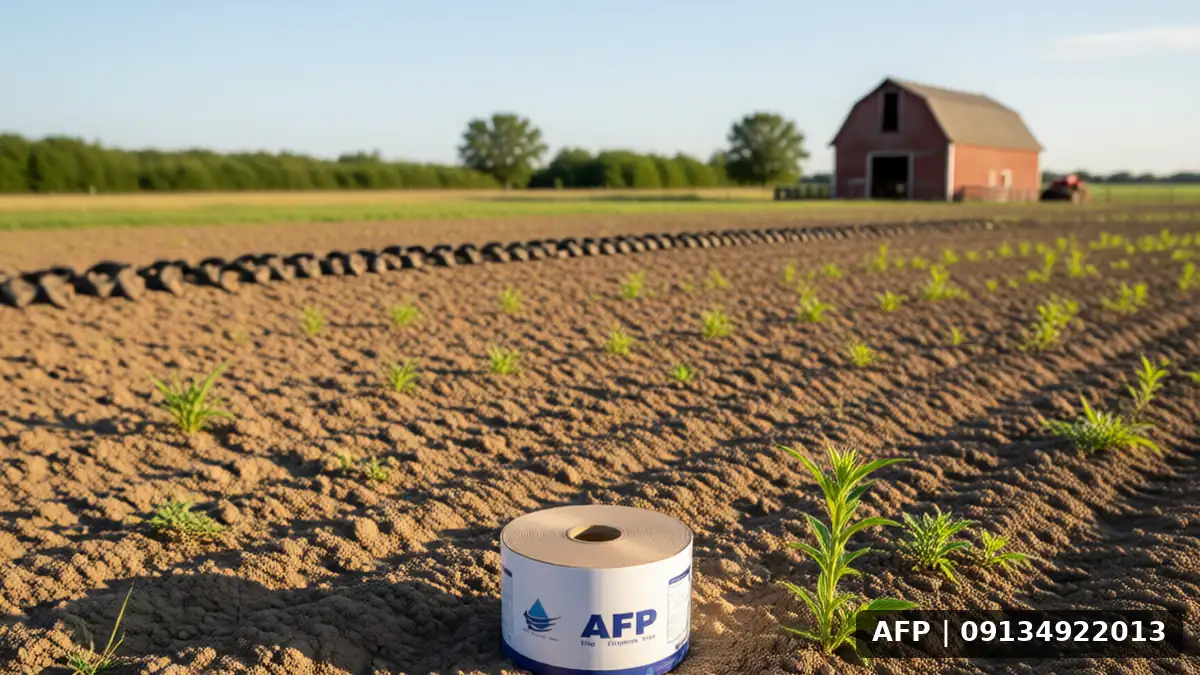
- Use of mesh plastic: In addition to using drip lines, applying permeable plastic as mulch reduces surface moisture and prevents soil splashing onto leaves. This technique alongside The Role of Rain Pipes in Irrigation is similar in other crops, but for garlic, the focus is on surface dryness.
- Equipment Sanitation: Before the season begins, the irrigation system must be flushed with disinfectant solutions to prevent bacteria remaining from the previous year from accumulating in the pipes.
Frequently Asked Questions (FAQ)
- Can drip irrigation completely replace chemical spraying?
No, drip irrigation is a preventive tool. By reducing the suitable environment for pest and disease growth, the need for spraying is reduced; however, if active infestation is observed, chemical control measures are still necessary. - What is the optimal time to stop irrigation for garlic to prevent post-harvest rot?
Irrigation should cease approximately 14 days before harvest to allow bulbs to dry and necks to seal. Excess moisture at this stage leads to storage rot. - Is drip tape suitable for garlic in waterlogged conditions?
Garlic is sensitive to waterlogging. Drip tape minimizes waterlogging due to its low and frequent application rates. If waterlogging persists, increase line spacing or install specialized drainage filters.
Conclusion and Future Outlook
Managing pests and diseases in garlic using drip irrigation is not merely a technical approach but a shift in perspective toward precision agriculture. By combining drip or tape irrigation, fertigation, and regular monitoring, farmers can reduce the risk of fungal and bacterial diseases while optimizing water and energy consumption. Despite its diverse climates, Iranian agriculture can achieve global-quality garlic through these techniques. Remember that prevention is always more cost-effective than cure. Leveraging related knowledge, such as chickpea seed rate per hectare and crop rotation principles, allows for more effective management of pest life cycles. The future of garlic cultivation in Iran depends on the implementation of such intelligent, plant-centric systems.