Pest and Disease Management for Sorghum in Drip Irrigation Systems: Comprehensive Guide
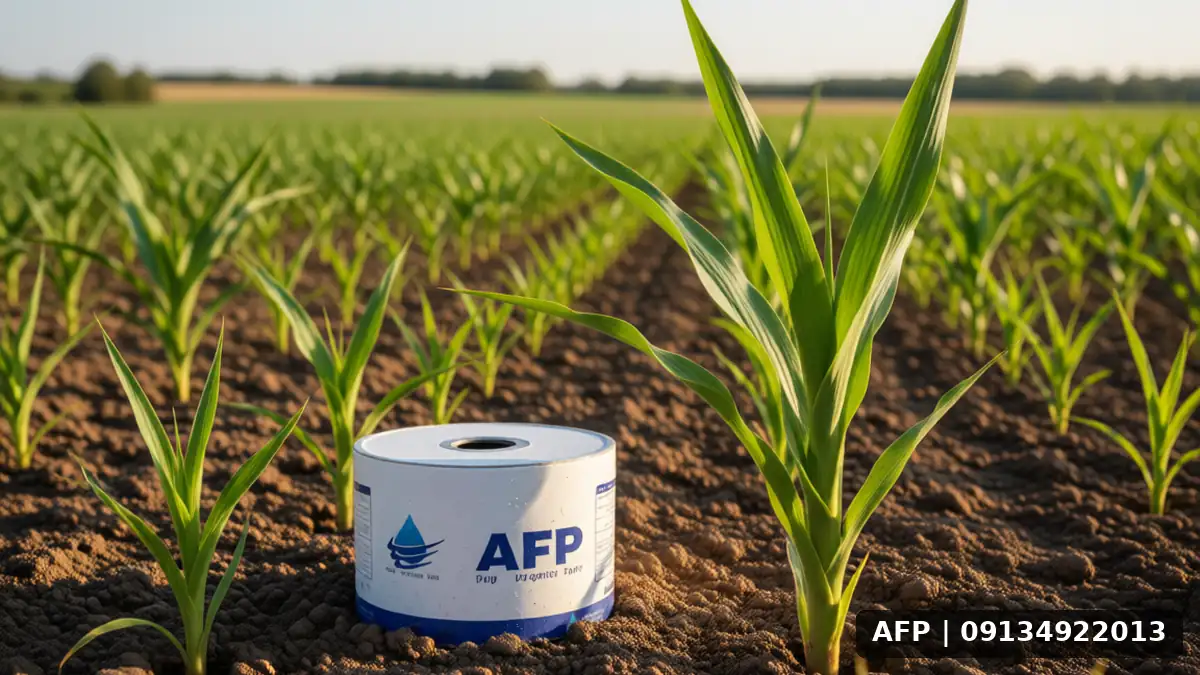
Sorghum is one of the most important cereal grains, cultivated in many semi-arid and arid regions of the world due to its drought resistance. With increasing climatic pressures and water resource constraints, farmers are moving toward modern irrigation methods such as drip irrigation and tip-line irrigation. Although these methods increase water efficiency, they create changes in the micro-landscape of root and soil moisture that can affect the incidence of sorghum pests and diseases under drip irrigation. Understanding this interaction is key to increasing productivity and reducing losses in modern cropping systems. This article examines these topics in depth, with a focus on chain management and prevention.
The effect of moisture environment on the incidence of fungal diseases in sorghum
Drip irrigation creates a specific duality by maintaining moisture around the emitters (lentes) and causing faster drying of the soil surface between the lines. Many fungal diseases, such as root rot and Sclerotinia, require continuous deep moisture. While drip irrigation can prevent prolonged waterlogging through more precise control of water volume, persistent moisture in the emission zone can become a focus for soil-borne fungi if line spacing is large or drainage is inadequate. On the other hand, tip-line irrigation, a type of drip irrigation, can reduce the growth of surface weeds by creating a limited wet zone and limit pest refuges by reducing weeding frequency. To better understand the physical and hydraulic mechanisms that create these effects, it is recommended to study the characteristics of tip-line systems.
Management of root rot and downy mildew
- Fusarium root rot: In drip systems, if the irrigation schedule is very dense, oxygen supply to sorghum roots is compromised. By increasing the time interval between irrigations and reducing the volume applied per event, water-oxygen balance can be restored.
- Sorghum downy mildew and rust: These diseases are primarily dependent on high relative humidity on leaves. Since drip irrigation concentrates moisture at the root zone rather than the canopy, the risk of rust infection decreases compared to surface irrigation. However, using resistant varieties remains critical.
Changes in pest populations in low-capacity irrigation systems
One of the hidden benefits of drip and trickler irrigation systems is the reduction of certain insect pest populations that require soil surface or plant moisture for their development. Soil-dwelling worms and some beetles exhibit higher activity in constantly wet soil. Precise moisture control can disrupt the life cycle of certain root-feeding worm larvae. Additionally, the reduction of weeds in the moist band (due to competition with sorghum and relative salinity) eliminates suitable shelter for leafhoppers and soil-dwelling flies.
Stem and grain pests
Sorghum is vulnerable to stem and grain borers, especially during the stem elongation stage. Although drip irrigation does not directly affect these pests, the improved plant health it promotes increases the plant’s resistance to pest invasion. A nutritionally strong plant acquires the ability to resist insect invasion earlier. In areas where mosaic and viral diseases are also common, controlling infestations via vectors (aphids and flies) is doubly important.
The role of salinity and EC in managing soil-borne diseases
One of the main challenges in drip irrigation is salt accumulation in the wetting zone. Sorghum is moderately salt-tolerant, but high salinity can cause physiological stress that makes plants more susceptible to secondary diseases. In this condition, opportunistic fungi find an opportunity to colonize. Therefore, monitoring the EC of irrigation water and selecting the appropriate lateral line based on soil texture are essential. To ensure proper system installation, familiarity with key pre-installation points for drip laterals in the field can prevent future problems.
Practical strategies for pest and disease control
1. Sanitation and crop rotation
In drip irrigation systems, it is possible to connect various plant types to a single emitter. Crop rotation with plants that have different susceptibility to sorghum pests can disrupt the life cycle of soil-borne pests. For example, growing crops with different root systems for one year can reduce the population of root-feeding nematodes. Additionally, using seed mixes with companion plants that have repellent properties in the side rows can be effective.
2. Biological control under controlled moisture conditions
The stable microenvironment created by drip irrigation is ideal for natural enemies such as protective fungi (Trichoderma). These beneficial fungi can grow better than pathogenic fungi in soils with steady moisture and protect the plant. Using seeds coated with Trichoderma in sorghum crops is a low-cost and sustainable solution. To better understand these biological interactions and the role of modern irrigation systems, refer to the comprehensive guide Linta Cotton 90 Irrigation Guide As a model for precision irrigation, it will be useful.
3. Dynamic Monitoring and Economic Threshold
Instead of indiscriminate preventive spraying, which was common in legacy irrigation systems, drip-irrigated sorghum should be managed with periodic pest monitoring. Because stem wash-down from rainfall or overhead watering is minimal, insect population density may become apparent more quickly. Establishing an economic threshold for each specific pest prevents the wasteful use of insecticides.
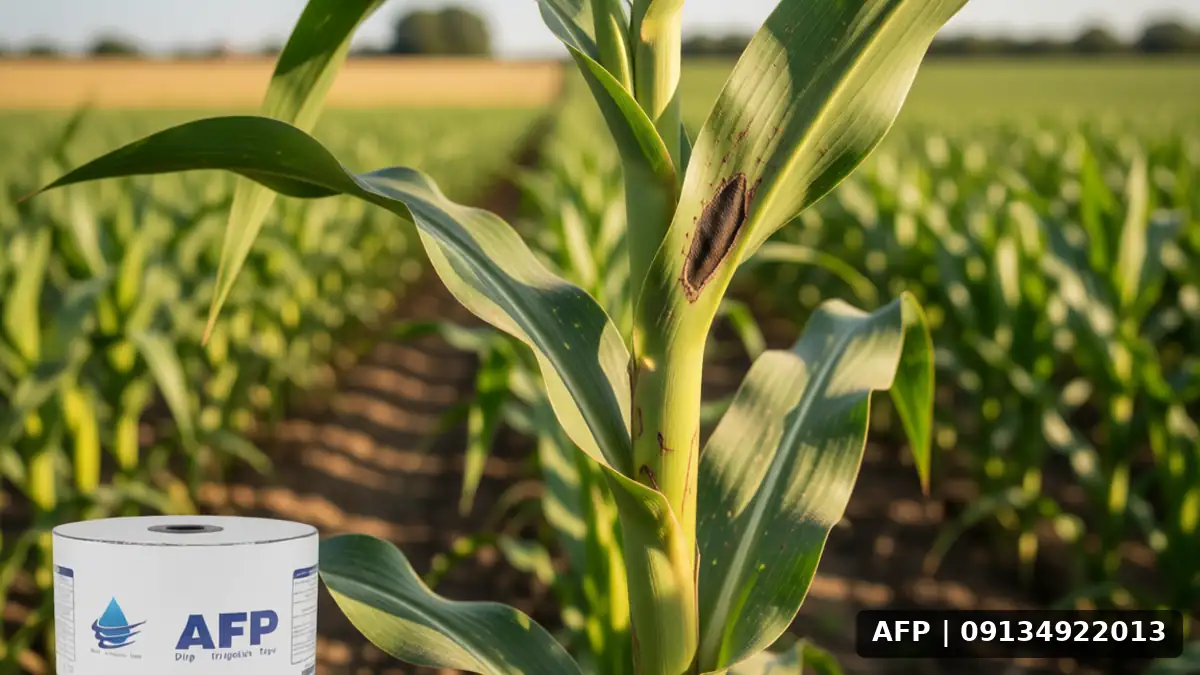
Performance Comparison: Drip Irrigation vs. Tape Drip
Choosing between drip and tape drip depends on soil type and regional pest prevalence. Tape drip is more cost-effective and suitable for large areas, but the precise control in the emitter zone offered by conventional drip may help reduce the risk of root fungal diseases. If the soil is light and drains quickly, tape drip is the better option. In heavy soils with high plasticity, drip at lower pressure creates deeper penetration and more stable moisture. To select the proper spacing, which also affects micro-level pest pressure, review the tape drip spacing in the direction of planting relative to field dimensions for guidance.
Frequently Asked Questions (FAQ)
Does drip irrigation increase soil insects in sorghum?
Always favorable. If moisture control and drainage are managed correctly, grub density usually decreases. This is because grubs are active in the soil surface layer in search of moisture, while drip irrigation retains moisture at depth. However, if drainage is poor, there is a risk of prolonged high moisture and a subsequent increase in soil-borne pests.
What is the best time to monitor root diseases in modern irrigation systems?
The best time is before plowing and planting, and during the warm months when the plant is under growth stress. By sampling roots from the drip-affected zone, rot symptoms can be detected earlier.
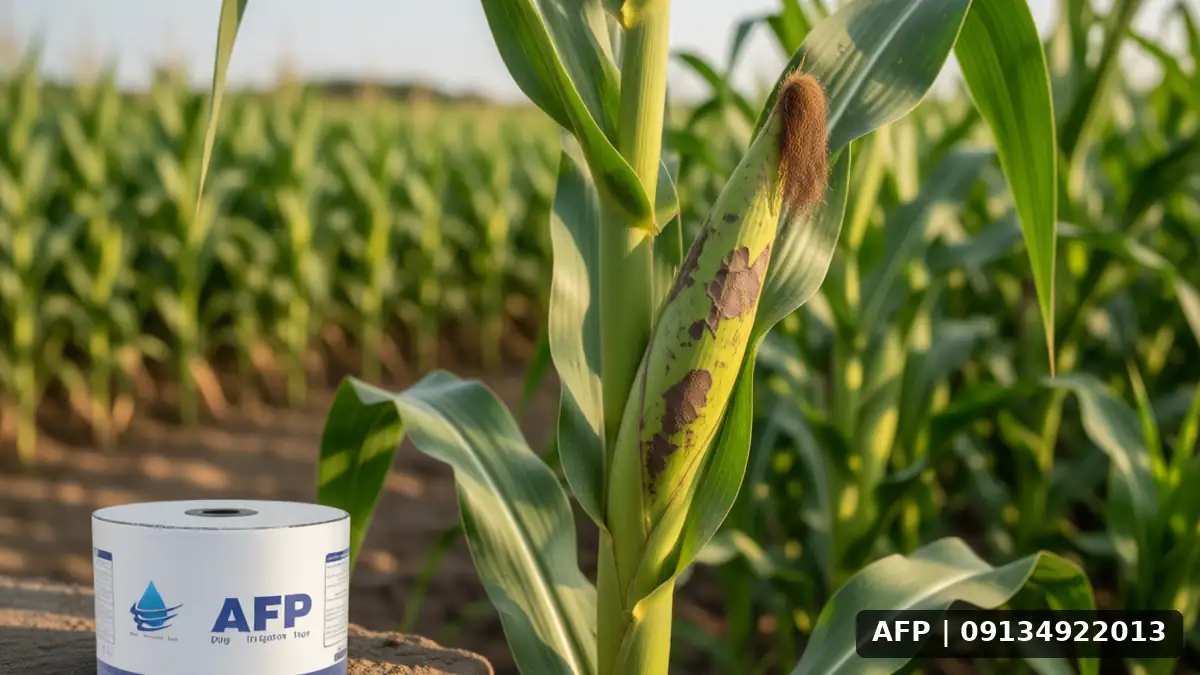
Can chemical fertilizers be used to control pests in drip irrigation?
Certain chemical pesticides specifically for root-feeders can be injected through the drip system (Chemigation). However, this requires high expertise to prevent damage to the lateral lines and filtration system. It is recommended to use biological mixtures or soil applications unless in acute cases.
Summary
Managing pests and diseases in sorghum with drip irrigation involves an integrated approach combining environmental, hygienic, and, when necessary, chemical controls. Precision irrigation systems such as sub-surface drip and surface drip are powerful tools that, when combined with Integrated Pest Management (IPM) knowledge, can minimize damage. Attention to soil hygiene, regular monitoring, and selecting resistant varieties are the three main pillars of success in these methods. Farmers can increase production and ensure environmental sustainability and product health by utilizing these strategies. For other crops requiring drip irrigation, studying the drip line spacing for forage corn can serve as a model for comparing and adapting similar strategies.
Related Articles: Alfalfa Seed Rate per Hectare + Influencing Factors (Best Method), Tipee Band Characteristics and Features, Related article Related article Related article D8AFD8B1 Related article